Buy lthorses.eu ?
We are moving the project
lthorses.eu .
Are you interested in purchasing the domain
lthorses.eu ?
domain@kv-gmbh.de · 0541-91531010
Buy lthorses.eu ?
How do I canter in Western riding?
To canter in Western riding, start by sitting deep in the saddle with your heels down and your legs relaxed. Begin by asking your horse to trot, then gently cue them to transition into the canter by applying pressure with your outside leg slightly behind the girth. Use your inside rein to guide your horse in the direction you want to go. Remember to keep your balance centered and follow your horse's motion with your seat to maintain a smooth and controlled canter. Practice and patience are key to mastering the canter in Western riding. **
What is a canter in horseback riding?
A canter is a three-beat gait in horseback riding that is faster than a trot but slower than a gallop. It is a smooth and flowing movement where the horse moves its legs in a specific sequence: outside hind leg, diagonal pair of inside hind leg and outside front leg, and finally inside front leg. The rider sits deeply in the saddle during the canter and moves in a rocking motion with the horse's movement. The canter is commonly used in horseback riding for activities such as pleasure riding, trail riding, and some types of competition. **


Similar search terms for Canter
Top-Angebote
Products related to Canter:
-
"Justin Boots Canter 11"" Wide Square Toe - Mens 9.5 Brown Boot E2""*Western-style boot from Justin Boots. Leather upper. Square toe. Pull-on style. Removable orthotic insole. 1-3/8"" heel Justin Boots Canter 11"" Wide Square Toe - Mens 9.5 Brown Boot E2"169,95 $*Shipping: 0,00 $Secure redirect to the provider
-
"Justin Boots Canter 11"" Wide Square Toe - Mens 12 Brown Boot E2""*Western-style boot from Justin Boots. Leather upper. Square toe. Pull-on style. Removable orthotic insole. 1-3/8"" heel Justin Boots Canter 11"" Wide Square Toe - Mens 12 Brown Boot E2"169,95 $*Shipping: 0,00 $Secure redirect to the provider
-
"Justin Boots Canter 11"" Wide Square Toe - Mens 8 Brown Boot D""*Western-style boot from Justin Boots. Leather upper. Square toe. Pull-on style. Removable orthotic insole. 1-3/8"" heel Justin Boots Canter 11"" Wide Square Toe - Mens 8 Brown Boot D"169,95 $*Shipping: 0,00 $Secure redirect to the provider


-
What are the aids for riding in canter?
Some aids for riding in canter include using your inside leg at the girth to ask for the canter departure, maintaining a steady contact with the horse's mouth through the reins, and using your outside leg slightly behind the girth to help maintain the canter. Additionally, keeping your upper body upright and following the horse's movement with your seat will help you stay balanced and in sync with the horse's canter rhythm. Lastly, using half-halts to rebalance the horse and adjust the speed or stride length can also be helpful aids while riding in canter. **
-
What are the cues for riding in canter?
When riding in canter, cues include using your inside leg at the girth to ask for the canter lead, while your outside leg slightly behind the girth helps maintain impulsion. Your seat should follow the motion of the canter, moving in a forward and circular motion. Additionally, your inside rein should be used to help guide and balance your horse, while your outside rein maintains contact and support. **
-
What is a left canter and a right canter?
A left canter and a right canter refer to the leading front leg of the horse during the canter gait. In a left canter, the horse leads with its left front leg, while in a right canter, the horse leads with its right front leg. The direction of the canter is determined by which front leg is leading, and it is important for riders to be able to cue their horse to pick up the correct lead for the desired direction. **
-
What is the difference between canter and working canter?
The canter is a three-beat gait in which the horse moves forward with one hind leg leading, followed by the other hind leg and then both front legs together. The working canter, on the other hand, is a more collected and controlled version of the canter. In the working canter, the horse is more engaged, balanced, and collected, allowing for better communication between the rider and the horse. Working canter is often used in dressage and other disciplines that require precision and control. **

What is an extended canter?
An extended canter is a faster and more ground-covering version of the regular canter gait in horse riding. In an extended canter, the horse lengthens its stride and covers more ground with each step, while maintaining a three-beat rhythm. This gait requires the horse to push off more forcefully with its hind legs and reach forward with its front legs, creating a more powerful and dynamic movement. Extended canters are often seen in dressage and eventing competitions as part of a horse's training and performance. **
What is the maximum age for the equestrian competition in walk, trot, and canter?
The maximum age for the equestrian competition in walk, trot, and canter varies depending on the specific rules and regulations of the competition or organization hosting the event. In some cases, there may not be a specific maximum age limit for these competitions, while in others, there may be age restrictions in place. It is important to refer to the specific rules and guidelines of the competition or organization to determine the maximum age for participation in these equestrian events. **
Top-Angebote
Products related to Canter:
-
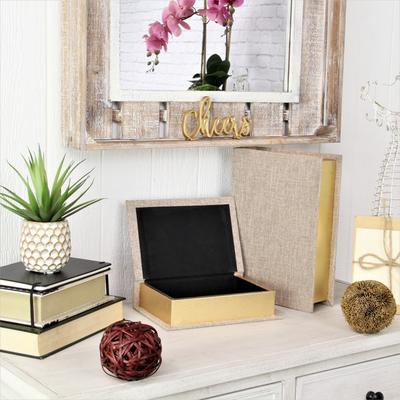
Cheungs Canter Isle Beige Linen Book Box SetThe Canter Isle Linen Book Box Set in dark green blends luxury and practicality. Handcrafted from premium wood, these compact boxes feature a rich finish and gold accents, bringing modern elegance to any space.30,80 $*Shipping: 0,00 $Secure redirect to the provider
-
"Justin Boots Canter 11"" Wide Square Toe - Mens 9.5 Brown Boot E2""*Western-style boot from Justin Boots. Leather upper. Square toe. Pull-on style. Removable orthotic insole. 1-3/8"" heel Justin Boots Canter 11"" Wide Square Toe - Mens 9.5 Brown Boot E2"169,95 $*Shipping: 0,00 $Secure redirect to the provider
-
How do I canter in Western riding?
To canter in Western riding, start by sitting deep in the saddle with your heels down and your legs relaxed. Begin by asking your horse to trot, then gently cue them to transition into the canter by applying pressure with your outside leg slightly behind the girth. Use your inside rein to guide your horse in the direction you want to go. Remember to keep your balance centered and follow your horse's motion with your seat to maintain a smooth and controlled canter. Practice and patience are key to mastering the canter in Western riding. **
-
What is a canter in horseback riding?
A canter is a three-beat gait in horseback riding that is faster than a trot but slower than a gallop. It is a smooth and flowing movement where the horse moves its legs in a specific sequence: outside hind leg, diagonal pair of inside hind leg and outside front leg, and finally inside front leg. The rider sits deeply in the saddle during the canter and moves in a rocking motion with the horse's movement. The canter is commonly used in horseback riding for activities such as pleasure riding, trail riding, and some types of competition. **
-
What are the aids for riding in canter?
Some aids for riding in canter include using your inside leg at the girth to ask for the canter departure, maintaining a steady contact with the horse's mouth through the reins, and using your outside leg slightly behind the girth to help maintain the canter. Additionally, keeping your upper body upright and following the horse's movement with your seat will help you stay balanced and in sync with the horse's canter rhythm. Lastly, using half-halts to rebalance the horse and adjust the speed or stride length can also be helpful aids while riding in canter. **
-
What are the cues for riding in canter?
When riding in canter, cues include using your inside leg at the girth to ask for the canter lead, while your outside leg slightly behind the girth helps maintain impulsion. Your seat should follow the motion of the canter, moving in a forward and circular motion. Additionally, your inside rein should be used to help guide and balance your horse, while your outside rein maintains contact and support. **
Similar search terms for Canter
-
"Justin Boots Canter 11"" Wide Square Toe - Mens 12 Brown Boot E2""*Western-style boot from Justin Boots. Leather upper. Square toe. Pull-on style. Removable orthotic insole. 1-3/8"" heel Justin Boots Canter 11"" Wide Square Toe - Mens 12 Brown Boot E2"169,95 $*Shipping: 0,00 $Secure redirect to the provider
-
"Justin Boots Canter 11"" Wide Square Toe - Mens 8 Brown Boot D""*Western-style boot from Justin Boots. Leather upper. Square toe. Pull-on style. Removable orthotic insole. 1-3/8"" heel Justin Boots Canter 11"" Wide Square Toe - Mens 8 Brown Boot D"169,95 $*Shipping: 0,00 $Secure redirect to the provider
-
Cheungs Canter Isle Beige Linen Book Box SetThe Canter Isle Linen Book Box Set in dark green blends luxury and practicality. Handcrafted from premium wood, these compact boxes feature a rich finish and gold accents, bringing modern elegance to any space.39,83 $*Shipping: 0,00 $Secure redirect to the provider
-
What is a left canter and a right canter?
A left canter and a right canter refer to the leading front leg of the horse during the canter gait. In a left canter, the horse leads with its left front leg, while in a right canter, the horse leads with its right front leg. The direction of the canter is determined by which front leg is leading, and it is important for riders to be able to cue their horse to pick up the correct lead for the desired direction. **
-
What is the difference between canter and working canter?
The canter is a three-beat gait in which the horse moves forward with one hind leg leading, followed by the other hind leg and then both front legs together. The working canter, on the other hand, is a more collected and controlled version of the canter. In the working canter, the horse is more engaged, balanced, and collected, allowing for better communication between the rider and the horse. Working canter is often used in dressage and other disciplines that require precision and control. **
-
What is an extended canter?
An extended canter is a faster and more ground-covering version of the regular canter gait in horse riding. In an extended canter, the horse lengthens its stride and covers more ground with each step, while maintaining a three-beat rhythm. This gait requires the horse to push off more forcefully with its hind legs and reach forward with its front legs, creating a more powerful and dynamic movement. Extended canters are often seen in dressage and eventing competitions as part of a horse's training and performance. **
-
What is the maximum age for the equestrian competition in walk, trot, and canter?
The maximum age for the equestrian competition in walk, trot, and canter varies depending on the specific rules and regulations of the competition or organization hosting the event. In some cases, there may not be a specific maximum age limit for these competitions, while in others, there may be age restrictions in place. It is important to refer to the specific rules and guidelines of the competition or organization to determine the maximum age for participation in these equestrian events. **
* All prices are inclusive of VAT and, if applicable, plus shipping costs. The offer information is based on the details provided by the respective shop and is updated through automated processes. Real-time updates do not occur, so deviations can occur in individual cases. ** Note: Parts of this content were created by AI.