Buy lthorses.eu ?
We are moving the project
lthorses.eu .
Are you interested in purchasing the domain
lthorses.eu ?
domain@kv-gmbh.de · 0541-91531010
Buy lthorses.eu ?
What are examples of isolated footing, raft foundation, and strip footing?
An example of an isolated footing is a square or rectangular concrete pad that supports a single column or pier. It is commonly used for individual columns in a structure. A raft foundation, also known as a mat foundation, is a large concrete slab that supports the entire structure. It is used when the soil has poor bearing capacity and helps distribute the load of the building over a larger area. A strip footing is a long strip of concrete that supports a continuous wall or row of columns. It is commonly used in buildings with load-bearing walls or in structures with closely spaced columns. **
What is the difference between a strip footing and a rigid footing?
A strip footing is a type of shallow foundation that is long and narrow, typically used to support a continuous wall. It distributes the load of the structure over a larger area. On the other hand, a rigid footing is a type of deep foundation that is designed to transfer the load of a structure to a deeper, more stable soil layer. Rigid footings are typically used for heavy structures or in areas with poor soil conditions. **


Similar search terms for Footing
Top-Angebote
Products related to Footing:
-
In2Green Equestrian Riding Gear Brown Knit ThrowFor those who appreciate timeless style and a love of the ride, our Equestrian Tack throw features an elegant pattern of bridles and bits in soft, tones that add warmth and sophistication to any space.194,99 $*Shipping: 0,00 $Secure redirect to the provider
-
Inspire Essentials Tibialis Trainer Tib Bar Strength Training Calf Raise Equipment Tibialis Trainer Tib Bar Strength Training Calf Raise EquipmentStronger lower legs start with targeted training. This specialized tibialis trainer is designed to help build strength in the oftenneglected tibialis anterior muscle, improving ankle stability, balance, and overall leg performance. Built for serious...128,50 $*Shipping: 0,00 $Secure redirect to the provider
-
StayWell Aluminum Alloy Swinging Rope, Durable Gym Equipment For Strength Training Aluminum Alloy Swinging Rope, Durable Gym Equipment For Strength Training"Elevate Your Strength Training with the Compact Steel Fitness Rope Designed for fitness enthusiasts seeking efficient and spacesaving equipment, this 15.7""inch ropefree training rope is a gamechanger for home and commercial gyms. Key Features:..."56,97 $*Shipping: 0,00 $Secure redirect to the provider


-
How deep should the riding arena or indoor arena footing be?
The depth of the riding arena or indoor arena footing depends on the type of footing being used and the discipline of riding. Generally, the footing should be between 2-3 inches deep for sand or synthetic materials, and 3-6 inches deep for natural materials such as rubber or wood chips. It's important to regularly maintain and groom the footing to ensure a consistent and safe riding surface for both horse and rider. Consulting with a professional arena builder or footing specialist can help determine the appropriate depth for your specific needs. **
-
What is the footing in the round pen?
The footing in the round pen is the material that covers the ground surface and provides a stable and safe area for horses to move and work in. Common footing materials include sand, dirt, rubber, or a combination of these materials. The footing is important for providing traction, cushioning impact, and reducing the risk of injury to the horse's legs and hooves during training and exercise. It also helps to create a consistent and level surface for the horse to work on. **
-
What does it mean to communicate on an equal footing?
Communicating on an equal footing means that all parties involved in the communication process are given the same level of respect, consideration, and opportunity to express their thoughts and opinions. It involves listening actively, valuing each other's perspectives, and engaging in a dialogue that is free from judgment or power imbalances. By communicating on an equal footing, individuals can foster mutual understanding, build trust, and work towards finding common ground or solutions to any issues at hand. **
-
How can one sell horse riding and equestrian equipment?
One can sell horse riding and equestrian equipment by targeting the right audience, such as horse owners, equestrian enthusiasts, and riding schools. Utilizing online platforms and social media to showcase the products and reach potential customers is also important. Building partnerships with local equestrian clubs and attending horse shows and events can help to promote the equipment. Providing excellent customer service and offering a variety of high-quality products will also help to attract and retain customers. **
Is it always possible to have communication on an equal footing?
Achieving communication on an equal footing can be challenging due to various factors such as power dynamics, cultural differences, and personal biases. While it may not always be possible to have communication completely equal, efforts can be made to create a more balanced exchange by actively listening, being open-minded, and respecting each other's perspectives. It is important to acknowledge and address any disparities in communication to strive towards a more equitable and respectful dialogue. **
How can one lead a relationship on an equal footing without being dependent?
Leading a relationship on an equal footing without being dependent involves open communication, mutual respect, and shared decision-making. It's important to maintain independence and individuality while also fostering a strong connection with your partner. Setting boundaries, expressing your needs and desires, and supporting each other's personal growth are key aspects of maintaining equality in a relationship without becoming dependent on one another. Ultimately, a healthy relationship is built on trust, understanding, and a sense of partnership where both individuals feel valued and respected. **
Top-Angebote
Products related to Footing:
-
In2Green Equestrian Riding Motif Stripe Knit ThrowThese blankets wash well, stay soft, and hold up beautifully over time. Our signature knit and woven products are made from fiberized t-shirt clippings salvaged from industrial t-shirt manufacturers.195,00 $*Shipping: 0,00 $Secure redirect to the provider
-
In2Green Equestrian Riding Gear Brown Knit ThrowFor those who appreciate timeless style and a love of the ride, our Equestrian Tack throw features an elegant pattern of bridles and bits in soft, tones that add warmth and sophistication to any space.194,99 $*Shipping: 0,00 $Secure redirect to the provider
-
Inspire Essentials Tibialis Trainer Tib Bar Strength Training Calf Raise Equipment Tibialis Trainer Tib Bar Strength Training Calf Raise EquipmentStronger lower legs start with targeted training. This specialized tibialis trainer is designed to help build strength in the oftenneglected tibialis anterior muscle, improving ankle stability, balance, and overall leg performance. Built for serious...128,50 $*Shipping: 0,00 $Secure redirect to the provider
-
What are examples of isolated footing, raft foundation, and strip footing?
An example of an isolated footing is a square or rectangular concrete pad that supports a single column or pier. It is commonly used for individual columns in a structure. A raft foundation, also known as a mat foundation, is a large concrete slab that supports the entire structure. It is used when the soil has poor bearing capacity and helps distribute the load of the building over a larger area. A strip footing is a long strip of concrete that supports a continuous wall or row of columns. It is commonly used in buildings with load-bearing walls or in structures with closely spaced columns. **
-
What is the difference between a strip footing and a rigid footing?
A strip footing is a type of shallow foundation that is long and narrow, typically used to support a continuous wall. It distributes the load of the structure over a larger area. On the other hand, a rigid footing is a type of deep foundation that is designed to transfer the load of a structure to a deeper, more stable soil layer. Rigid footings are typically used for heavy structures or in areas with poor soil conditions. **
-
How deep should the riding arena or indoor arena footing be?
The depth of the riding arena or indoor arena footing depends on the type of footing being used and the discipline of riding. Generally, the footing should be between 2-3 inches deep for sand or synthetic materials, and 3-6 inches deep for natural materials such as rubber or wood chips. It's important to regularly maintain and groom the footing to ensure a consistent and safe riding surface for both horse and rider. Consulting with a professional arena builder or footing specialist can help determine the appropriate depth for your specific needs. **
-
What is the footing in the round pen?
The footing in the round pen is the material that covers the ground surface and provides a stable and safe area for horses to move and work in. Common footing materials include sand, dirt, rubber, or a combination of these materials. The footing is important for providing traction, cushioning impact, and reducing the risk of injury to the horse's legs and hooves during training and exercise. It also helps to create a consistent and level surface for the horse to work on. **
Similar search terms for Footing
-
StayWell Aluminum Alloy Swinging Rope, Durable Gym Equipment For Strength Training Aluminum Alloy Swinging Rope, Durable Gym Equipment For Strength Training"Elevate Your Strength Training with the Compact Steel Fitness Rope Designed for fitness enthusiasts seeking efficient and spacesaving equipment, this 15.7""inch ropefree training rope is a gamechanger for home and commercial gyms. Key Features:..."56,97 $*Shipping: 0,00 $Secure redirect to the provider
-
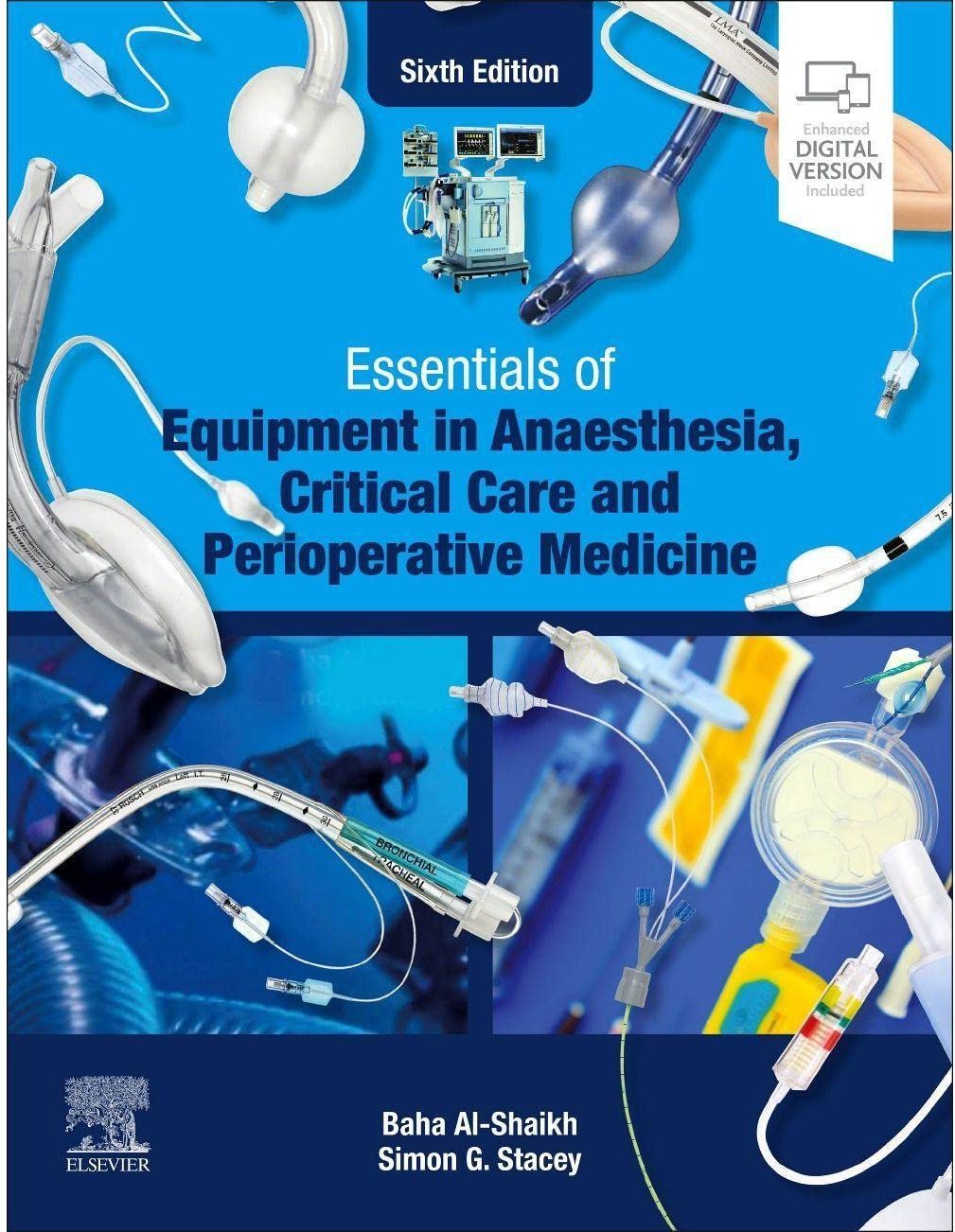
Elsevier Essentials of Equipment in Anaesthesia, Critical Care and Perioperative MedicineEasy to read and follow, Essentials of Equipment in Anaesthesia, Critical Care and Perioperative Medicine makes an otherwise dry subject digestible and easy to learn. This practical textbook comprehensively covers all the equipment used in the operating theatre and intensive care unit, including why it is used and any related safety concerns. It has been fully updated in its sixth edition to include new technologies introduced during the Covid-19 pandemic. This is ideal as the main text for all trainees undertaking the primary FRCA exams and is also suitable anyone who works with anaesthetic equipment, including anaesthetic and intensive care nurses and operating department practitioners. It features concise and consistent text and illustrations, self-assessment features, and exam tips. Portable, concise and simply formatted - a perfect practical companion Clear coloured images and illustrations bring the text to life Follows the Royal College of Anaesthetists postgraduate training and exam syllabus Summary boxes, more than 100 exam style questions, and OSCE stations and exam tips all aid the reader in exam revision Covers new equipment and fully updated relevant to current practice Suggested further reading fully updated New information on: Aladin Cassettes; Glostavent machine; CONTRAfluran system; videolaryngoscopy and high definition camera use in intubation and endoscopy; use of ultrasound in epidural; Penthrox; NRFit devices; Cell saver; ECMO38,99 £*Shipping: 0,00 £Secure redirect to the provider
-
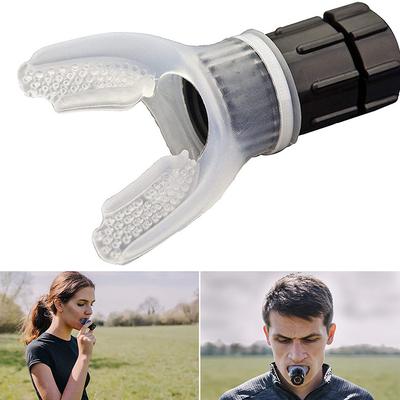
Healfit Counter Respirator Fitness Equipment, Breathing Trainer Mouthpiece, Lung Exercise Tool For Household Health Care Respirator Fitness Equipment, Breathing Trainer Mouthpiece, Lung Exercise Tool For Household Health CareEnhance your fitness and stamina with the Breathing Trainer Exercise Lung Face Mouthpiece Respirator Fitness Equipmentyour compact solution for improving lung performance and endurance. Designed for athletes, fitness enthusiasts, and anyone looking...27,97 $*Shipping: 0,00 $Secure redirect to the provider
-
What does it mean to communicate on an equal footing?
Communicating on an equal footing means that all parties involved in the communication process are given the same level of respect, consideration, and opportunity to express their thoughts and opinions. It involves listening actively, valuing each other's perspectives, and engaging in a dialogue that is free from judgment or power imbalances. By communicating on an equal footing, individuals can foster mutual understanding, build trust, and work towards finding common ground or solutions to any issues at hand. **
-
How can one sell horse riding and equestrian equipment?
One can sell horse riding and equestrian equipment by targeting the right audience, such as horse owners, equestrian enthusiasts, and riding schools. Utilizing online platforms and social media to showcase the products and reach potential customers is also important. Building partnerships with local equestrian clubs and attending horse shows and events can help to promote the equipment. Providing excellent customer service and offering a variety of high-quality products will also help to attract and retain customers. **
-
Is it always possible to have communication on an equal footing?
Achieving communication on an equal footing can be challenging due to various factors such as power dynamics, cultural differences, and personal biases. While it may not always be possible to have communication completely equal, efforts can be made to create a more balanced exchange by actively listening, being open-minded, and respecting each other's perspectives. It is important to acknowledge and address any disparities in communication to strive towards a more equitable and respectful dialogue. **
-
How can one lead a relationship on an equal footing without being dependent?
Leading a relationship on an equal footing without being dependent involves open communication, mutual respect, and shared decision-making. It's important to maintain independence and individuality while also fostering a strong connection with your partner. Setting boundaries, expressing your needs and desires, and supporting each other's personal growth are key aspects of maintaining equality in a relationship without becoming dependent on one another. Ultimately, a healthy relationship is built on trust, understanding, and a sense of partnership where both individuals feel valued and respected. **
* All prices are inclusive of VAT and, if applicable, plus shipping costs. The offer information is based on the details provided by the respective shop and is updated through automated processes. Real-time updates do not occur, so deviations can occur in individual cases. ** Note: Parts of this content were created by AI.