Buy lthorses.eu ?
We are moving the project
lthorses.eu .
Are you interested in purchasing the domain
lthorses.eu ?
domain@kv-gmbh.de · 0541-91531010
Buy lthorses.eu ?
What binds hemoglobin?
Hemoglobin is a protein found in red blood cells that binds to oxygen. It contains four heme groups, each of which contains an iron ion that can bind to an oxygen molecule. This allows hemoglobin to transport oxygen from the lungs to the tissues throughout the body. Additionally, hemoglobin can also bind to carbon dioxide and hydrogen ions, helping to regulate the body's pH balance. **
What is the hemoglobin gene?
The hemoglobin gene is a gene that encodes the production of hemoglobin, a protein found in red blood cells that is responsible for carrying oxygen from the lungs to the rest of the body. The hemoglobin gene is located on chromosome 11 in humans and is made up of several subunits that come together to form the hemoglobin protein. Mutations in the hemoglobin gene can lead to various blood disorders, such as sickle cell anemia and thalassemia. **
Similar search terms for Hemoglobin
Top-Angebote
Products related to Hemoglobin:
-
"""Masimo Pronto for Spot checking hemoglobin (SpHb), arterial oxygen saturation (SpO2), pulse rate (PR), and perfusion index (PI)"""""" Masimo Pronto for Spot checking hemoglobin (SpHb), arterial oxygen saturation (SpO2), pulse rate (PR), and perfusion index (PI) For other sensor configurations, call for pricing: 888-970-2999 The Masimo Pronto is a handheld hemoglobin testing..."1045,00 $*Shipping: 0,00 $Secure redirect to the provider
-
Inspire Essentials Tibialis Trainer Tib Bar Strength Training Calf Raise Equipment Tibialis Trainer Tib Bar Strength Training Calf Raise EquipmentStronger lower legs start with targeted training. This specialized tibialis trainer is designed to help build strength in the oftenneglected tibialis anterior muscle, improving ankle stability, balance, and overall leg performance. Built for serious...128,50 $*Shipping: 0,00 $Secure redirect to the provider
-
StayWell Aluminum Alloy Swinging Rope, Durable Gym Equipment For Strength Training Aluminum Alloy Swinging Rope, Durable Gym Equipment For Strength Training"Elevate Your Strength Training with the Compact Steel Fitness Rope Designed for fitness enthusiasts seeking efficient and spacesaving equipment, this 15.7""inch ropefree training rope is a gamechanger for home and commercial gyms. Key Features:..."56,97 $*Shipping: 0,00 $Secure redirect to the provider
-
Victorinox Swiss Army Knife EquestrianThe Victorinox Swiss Army Knife Equestrian is the perfect pocket companion for passionate riders. Designed with equine enthusiasts in mind, it features a compact yet highly effective hoof cleaner, making it ideal for use after rides or while working around the yard. In summary, this knife is portable, practical, and ready to tackle any equine challenge. Tools: Blade, large / Bottle opener / Can opener / Corkscrew / Hoof cleaner / Keyring / Reamer and punch / Screwdriver 5mm / Toothpick / Tweezers / Wire stripper / Wood saw Dimensions: 1.8(H) x 11.1(L) x 3.2(W) cm. Weight: 0.125kg. The Victorinox Swiss Army Knife Equestrian is covered by a Victorinox lifetime warranty. Knives are not for sale to persons under the age of 18. - all knives and bladed products are delivered by Age Verified Delivery (AVD). The carrier may request proof of age in order to deliver your parcel. If proof of age is not available, or the recipient is underage, the carrier will refuse to deliver.57,95 £*Shipping: 0,00 £Secure redirect to the provider


-
How does oxygen bind to hemoglobin?
Oxygen binds to hemoglobin through a process called cooperative binding. When the first oxygen molecule binds to one of the four heme groups in hemoglobin, it induces a conformational change in the protein structure, making it easier for the next oxygen molecules to bind. This cooperative binding allows hemoglobin to efficiently pick up oxygen in the lungs and release it to tissues throughout the body. The binding of oxygen to hemoglobin is reversible, meaning that oxygen can easily dissociate from hemoglobin when needed. **
-
What is considered a normal hemoglobin level?
A normal hemoglobin level for adult men is typically between 13.8 to 17.2 grams per deciliter (g/dL), while for adult women it is usually between 12.1 to 15.1 g/dL. These values can vary slightly depending on the laboratory and the specific reference range used. Hemoglobin levels outside of these ranges may indicate anemia or other underlying health conditions that should be further evaluated by a healthcare provider. **
-
Why does the hemoglobin level keep dropping?
There are several reasons why hemoglobin levels may keep dropping. One common reason is chronic blood loss, which can occur due to conditions such as gastrointestinal bleeding, heavy menstrual periods, or certain cancers. Another potential cause is decreased production of red blood cells, which can be due to nutritional deficiencies (such as iron, vitamin B12, or folate), bone marrow disorders, or chronic diseases. Additionally, increased destruction of red blood cells (hemolysis) can also lead to a drop in hemoglobin levels, which may be caused by conditions like sickle cell anemia or certain medications. It is important to consult with a healthcare professional to determine the underlying cause of the dropping hemoglobin levels and to receive appropriate treatment. **
-
What is the molecular weight of hemoglobin?
The molecular weight of hemoglobin is approximately 64,500 daltons. Hemoglobin is a complex protein made up of four subunits, each containing a heme group that binds to oxygen. Its molecular weight is an important factor in its function as the oxygen-carrying molecule in red blood cells. **
What is the difference between hemoglobin and myoglobin?
Hemoglobin and myoglobin are both proteins that bind to oxygen, but they have different functions in the body. Hemoglobin is found in red blood cells and is responsible for transporting oxygen from the lungs to tissues throughout the body. Myoglobin is found in muscle cells and stores oxygen for use during muscle contraction. Structurally, hemoglobin is a tetrameric protein with four subunits, while myoglobin is a monomeric protein with a single subunit. Additionally, hemoglobin has a higher affinity for oxygen than myoglobin, allowing it to efficiently transport oxygen in the bloodstream. **
How can a protein called hemoglobin be produced?
Hemoglobin is produced through a complex process in the body. It starts with the transcription of the hemoglobin gene in the nucleus of a cell, which produces a messenger RNA (mRNA) molecule. This mRNA then moves to the ribosomes, where it serves as a template for the synthesis of the hemoglobin protein. The ribosomes use transfer RNA (tRNA) to bring the necessary amino acids to the growing protein chain, following the instructions encoded in the mRNA. Once the protein chain is complete, it undergoes folding and post-translational modifications to become the functional hemoglobin protein. **
Top-Angebote
Products related to Hemoglobin:
-
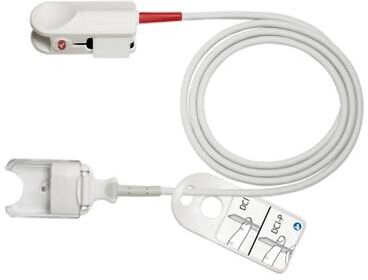
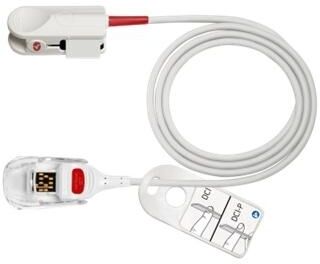
Masimo Pronto Sensor for Spot checking hemoglobin (SpHb)""" Sensor Only for Masimo Pronto to Spot check hemoglobin (SpHb) Masimo sensors are for use with rainbow devices such as the Pronto with SpHb hemoglobin spot check (required) and SpO2 and have a 3 foot cable. Reusable SpHb spot-check sensors come in..."836,00 $*Shipping: 0,00 $Secure redirect to the provider
-
Masimo LNCS-II Pronto Sensor for Spot checking hemoglobin (SpHb)""" Masimo LNCS-II Pronto Sensor for Spot checking hemoglobin (SpHb) - 400 SpHb tests per sensor Masimo sensors are for use with rainbow devices such as the Pronto with SpHb hemoglobin spot check (required) and SpO2. Reusable SpHb spot-check sensors..."895,00 $*Shipping: 0,00 $Secure redirect to the provider
-
"""Masimo Pronto for Spot checking hemoglobin (SpHb), arterial oxygen saturation (SpO2), pulse rate (PR), and perfusion index (PI)"""""" Masimo Pronto for Spot checking hemoglobin (SpHb), arterial oxygen saturation (SpO2), pulse rate (PR), and perfusion index (PI) For other sensor configurations, call for pricing: 888-970-2999 The Masimo Pronto is a handheld hemoglobin testing..."1045,00 $*Shipping: 0,00 $Secure redirect to the provider
-
Inspire Essentials Tibialis Trainer Tib Bar Strength Training Calf Raise Equipment Tibialis Trainer Tib Bar Strength Training Calf Raise EquipmentStronger lower legs start with targeted training. This specialized tibialis trainer is designed to help build strength in the oftenneglected tibialis anterior muscle, improving ankle stability, balance, and overall leg performance. Built for serious...128,50 $*Shipping: 0,00 $Secure redirect to the provider
-
What binds hemoglobin?
Hemoglobin is a protein found in red blood cells that binds to oxygen. It contains four heme groups, each of which contains an iron ion that can bind to an oxygen molecule. This allows hemoglobin to transport oxygen from the lungs to the tissues throughout the body. Additionally, hemoglobin can also bind to carbon dioxide and hydrogen ions, helping to regulate the body's pH balance. **
-
What is the hemoglobin gene?
The hemoglobin gene is a gene that encodes the production of hemoglobin, a protein found in red blood cells that is responsible for carrying oxygen from the lungs to the rest of the body. The hemoglobin gene is located on chromosome 11 in humans and is made up of several subunits that come together to form the hemoglobin protein. Mutations in the hemoglobin gene can lead to various blood disorders, such as sickle cell anemia and thalassemia. **
-
How does oxygen bind to hemoglobin?
Oxygen binds to hemoglobin through a process called cooperative binding. When the first oxygen molecule binds to one of the four heme groups in hemoglobin, it induces a conformational change in the protein structure, making it easier for the next oxygen molecules to bind. This cooperative binding allows hemoglobin to efficiently pick up oxygen in the lungs and release it to tissues throughout the body. The binding of oxygen to hemoglobin is reversible, meaning that oxygen can easily dissociate from hemoglobin when needed. **
-
What is considered a normal hemoglobin level?
A normal hemoglobin level for adult men is typically between 13.8 to 17.2 grams per deciliter (g/dL), while for adult women it is usually between 12.1 to 15.1 g/dL. These values can vary slightly depending on the laboratory and the specific reference range used. Hemoglobin levels outside of these ranges may indicate anemia or other underlying health conditions that should be further evaluated by a healthcare provider. **
Similar search terms for Hemoglobin
-
StayWell Aluminum Alloy Swinging Rope, Durable Gym Equipment For Strength Training Aluminum Alloy Swinging Rope, Durable Gym Equipment For Strength Training"Elevate Your Strength Training with the Compact Steel Fitness Rope Designed for fitness enthusiasts seeking efficient and spacesaving equipment, this 15.7""inch ropefree training rope is a gamechanger for home and commercial gyms. Key Features:..."56,97 $*Shipping: 0,00 $Secure redirect to the provider
-
Victorinox Swiss Army Knife EquestrianThe Victorinox Swiss Army Knife Equestrian is the perfect pocket companion for passionate riders. Designed with equine enthusiasts in mind, it features a compact yet highly effective hoof cleaner, making it ideal for use after rides or while working around the yard. In summary, this knife is portable, practical, and ready to tackle any equine challenge. Tools: Blade, large / Bottle opener / Can opener / Corkscrew / Hoof cleaner / Keyring / Reamer and punch / Screwdriver 5mm / Toothpick / Tweezers / Wire stripper / Wood saw Dimensions: 1.8(H) x 11.1(L) x 3.2(W) cm. Weight: 0.125kg. The Victorinox Swiss Army Knife Equestrian is covered by a Victorinox lifetime warranty. Knives are not for sale to persons under the age of 18. - all knives and bladed products are delivered by Age Verified Delivery (AVD). The carrier may request proof of age in order to deliver your parcel. If proof of age is not available, or the recipient is underage, the carrier will refuse to deliver.57,95 £*Shipping: 0,00 £Secure redirect to the provider
-
Elsevier Essentials of Equipment in Anaesthesia, Critical Care and Perioperative MedicineEasy to read and follow, Essentials of Equipment in Anaesthesia, Critical Care and Perioperative Medicine makes an otherwise dry subject digestible and easy to learn. This practical textbook comprehensively covers all the equipment used in the operating theatre and intensive care unit, including why it is used and any related safety concerns. It has been fully updated in its sixth edition to include new technologies introduced during the Covid-19 pandemic. This is ideal as the main text for all trainees undertaking the primary FRCA exams and is also suitable anyone who works with anaesthetic equipment, including anaesthetic and intensive care nurses and operating department practitioners. It features concise and consistent text and illustrations, self-assessment features, and exam tips. Portable, concise and simply formatted - a perfect practical companion Clear coloured images and illustrations bring the text to life Follows the Royal College of Anaesthetists postgraduate training and exam syllabus Summary boxes, more than 100 exam style questions, and OSCE stations and exam tips all aid the reader in exam revision Covers new equipment and fully updated relevant to current practice Suggested further reading fully updated New information on: Aladin Cassettes; Glostavent machine; CONTRAfluran system; videolaryngoscopy and high definition camera use in intubation and endoscopy; use of ultrasound in epidural; Penthrox; NRFit devices; Cell saver; ECMO38,99 £*Shipping: 0,00 £Secure redirect to the provider
-
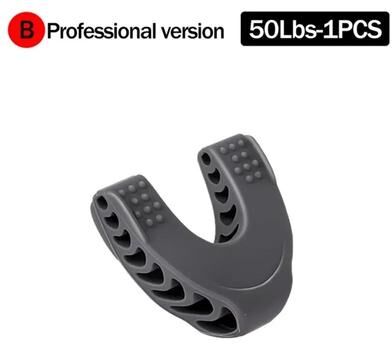
Uplifted Finds U Shape Facial Jawline Exerciser Training Equipment greyDefine and strengthen your facial profile with the Facial Pop N Go Jaw Exerciser, a specialized fitness tool designed to act as an efficient tool for jawline sculpting and facial muscle toning. Specifically engineered with a Ushaped ergonomic...55,97 $*Shipping: 0,00 $Secure redirect to the provider
-
Why does the hemoglobin level keep dropping?
There are several reasons why hemoglobin levels may keep dropping. One common reason is chronic blood loss, which can occur due to conditions such as gastrointestinal bleeding, heavy menstrual periods, or certain cancers. Another potential cause is decreased production of red blood cells, which can be due to nutritional deficiencies (such as iron, vitamin B12, or folate), bone marrow disorders, or chronic diseases. Additionally, increased destruction of red blood cells (hemolysis) can also lead to a drop in hemoglobin levels, which may be caused by conditions like sickle cell anemia or certain medications. It is important to consult with a healthcare professional to determine the underlying cause of the dropping hemoglobin levels and to receive appropriate treatment. **
-
What is the molecular weight of hemoglobin?
The molecular weight of hemoglobin is approximately 64,500 daltons. Hemoglobin is a complex protein made up of four subunits, each containing a heme group that binds to oxygen. Its molecular weight is an important factor in its function as the oxygen-carrying molecule in red blood cells. **
-
What is the difference between hemoglobin and myoglobin?
Hemoglobin and myoglobin are both proteins that bind to oxygen, but they have different functions in the body. Hemoglobin is found in red blood cells and is responsible for transporting oxygen from the lungs to tissues throughout the body. Myoglobin is found in muscle cells and stores oxygen for use during muscle contraction. Structurally, hemoglobin is a tetrameric protein with four subunits, while myoglobin is a monomeric protein with a single subunit. Additionally, hemoglobin has a higher affinity for oxygen than myoglobin, allowing it to efficiently transport oxygen in the bloodstream. **
-
How can a protein called hemoglobin be produced?
Hemoglobin is produced through a complex process in the body. It starts with the transcription of the hemoglobin gene in the nucleus of a cell, which produces a messenger RNA (mRNA) molecule. This mRNA then moves to the ribosomes, where it serves as a template for the synthesis of the hemoglobin protein. The ribosomes use transfer RNA (tRNA) to bring the necessary amino acids to the growing protein chain, following the instructions encoded in the mRNA. Once the protein chain is complete, it undergoes folding and post-translational modifications to become the functional hemoglobin protein. **
* All prices are inclusive of VAT and, if applicable, plus shipping costs. The offer information is based on the details provided by the respective shop and is updated through automated processes. Real-time updates do not occur, so deviations can occur in individual cases. ** Note: Parts of this content were created by AI.