Buy lthorses.eu ?
We are moving the project
lthorses.eu .
Are you interested in purchasing the domain
lthorses.eu ?
domain@kv-gmbh.de · 0541-91531010
Buy lthorses.eu ?
What is the training in Natural Horsemanship?
Natural Horsemanship training is a method of working with horses that emphasizes understanding their natural behaviors and communication methods. It focuses on building a strong bond and mutual trust between the horse and the trainer, using techniques such as body language, voice commands, and positive reinforcement. Training in Natural Horsemanship also involves understanding the horse's instincts and herd dynamics, and using this knowledge to develop a respectful and cooperative relationship with the horse. This approach aims to create a willing and responsive horse that is a pleasure to work with and ride. **
What is academic horsemanship?
Academic horsemanship refers to the study and practice of horsemanship within an academic setting, such as a university or college. It involves learning about various aspects of horse care, training, and management through a structured curriculum. Academic horsemanship programs often combine classroom instruction with hands-on experience in order to provide students with a comprehensive understanding of equine science and management. This approach helps students develop the knowledge and skills necessary to work in the equine industry or pursue further education in the field. **


Similar search terms for Horsemanship
Top-Angebote
Products related to Horsemanship:
-
In2Green Equestrian Riding Gear Brown Knit ThrowFor those who appreciate timeless style and a love of the ride, our Equestrian Tack throw features an elegant pattern of bridles and bits in soft, tones that add warmth and sophistication to any space.194,99 $*Shipping: 0,00 $Secure redirect to the provider
-
Inspire Essentials Tibialis Trainer Tib Bar Strength Training Calf Raise Equipment Tibialis Trainer Tib Bar Strength Training Calf Raise EquipmentStronger lower legs start with targeted training. This specialized tibialis trainer is designed to help build strength in the oftenneglected tibialis anterior muscle, improving ankle stability, balance, and overall leg performance. Built for serious...128,50 $*Shipping: 0,00 $Secure redirect to the provider
-
StayWell Aluminum Alloy Swinging Rope, Durable Gym Equipment For Strength Training Aluminum Alloy Swinging Rope, Durable Gym Equipment For Strength Training"Elevate Your Strength Training with the Compact Steel Fitness Rope Designed for fitness enthusiasts seeking efficient and spacesaving equipment, this 15.7""inch ropefree training rope is a gamechanger for home and commercial gyms. Key Features:..."56,97 $*Shipping: 0,00 $Secure redirect to the provider


-
Who invented Natural Horsemanship?
Natural Horsemanship is not attributed to a single inventor, but rather a philosophy and approach to horse training that has evolved over time. However, some of the most well-known figures associated with the development of Natural Horsemanship include Tom and Bill Dorrance, Ray Hunt, and Buck Brannaman. These individuals have all played a significant role in popularizing the principles of Natural Horsemanship, which emphasize understanding and working with the horse's natural instincts and behaviors. **
-
What is a horsemanship course?
A horsemanship course is a program or class that teaches individuals how to care for, handle, and ride horses. These courses typically cover topics such as grooming, feeding, saddling, and basic riding techniques. Horsemanship courses can be tailored to different skill levels, from beginners who have never been around horses before to more experienced riders looking to improve their skills. Overall, these courses aim to educate individuals on all aspects of horse care and handling to ensure a safe and enjoyable experience for both the rider and the horse. **
-
Do you need to have a horse to learn horsemanship and riding?
No, you do not need to own a horse to learn horsemanship and riding. Many equestrian centers and stables offer lessons and programs where you can learn how to ride and care for horses without owning one. These facilities typically provide lesson horses for students to use. Additionally, there are opportunities to volunteer at rescue organizations or farms to gain experience with horses. **
-
How long should the horsemanship lead rope be?
The horsemanship lead rope should typically be around 10-12 feet long. This length allows for enough slack to give the horse freedom of movement while still maintaining control. A longer lead rope can be cumbersome and may get tangled, while a shorter lead rope may restrict the horse's movement and communication with the handler. Ultimately, the ideal length will depend on the specific situation and the handler's preferences. **
Do you need to have a horse in order to learn horsemanship and riding?
No, you do not need to own a horse in order to learn horsemanship and riding. Many stables and equestrian centers offer lessons and programs for individuals who do not own a horse. These facilities provide access to well-trained horses and experienced instructors who can teach the fundamentals of horsemanship and riding. Additionally, there are opportunities to volunteer at stables or participate in horse camps to gain hands-on experience without owning a horse. **
How do the aids work in academic classical horsemanship?
In academic classical horsemanship, aids are used to communicate with the horse effectively and subtly. The aids include the rider's seat, legs, hands, and voice. By using these aids correctly, the rider can convey their intentions to the horse with precision and clarity. Through consistent and correct application of the aids, the horse learns to respond to subtle cues, resulting in a harmonious partnership between horse and rider. **
Top-Angebote
Products related to Horsemanship:
-
In2Green Equestrian Riding Motif Stripe Knit ThrowThese blankets wash well, stay soft, and hold up beautifully over time. Our signature knit and woven products are made from fiberized t-shirt clippings salvaged from industrial t-shirt manufacturers.195,00 $*Shipping: 0,00 $Secure redirect to the provider
-
In2Green Equestrian Riding Gear Brown Knit ThrowFor those who appreciate timeless style and a love of the ride, our Equestrian Tack throw features an elegant pattern of bridles and bits in soft, tones that add warmth and sophistication to any space.194,99 $*Shipping: 0,00 $Secure redirect to the provider
-
Inspire Essentials Tibialis Trainer Tib Bar Strength Training Calf Raise Equipment Tibialis Trainer Tib Bar Strength Training Calf Raise EquipmentStronger lower legs start with targeted training. This specialized tibialis trainer is designed to help build strength in the oftenneglected tibialis anterior muscle, improving ankle stability, balance, and overall leg performance. Built for serious...128,50 $*Shipping: 0,00 $Secure redirect to the provider
-
What is the training in Natural Horsemanship?
Natural Horsemanship training is a method of working with horses that emphasizes understanding their natural behaviors and communication methods. It focuses on building a strong bond and mutual trust between the horse and the trainer, using techniques such as body language, voice commands, and positive reinforcement. Training in Natural Horsemanship also involves understanding the horse's instincts and herd dynamics, and using this knowledge to develop a respectful and cooperative relationship with the horse. This approach aims to create a willing and responsive horse that is a pleasure to work with and ride. **
-
What is academic horsemanship?
Academic horsemanship refers to the study and practice of horsemanship within an academic setting, such as a university or college. It involves learning about various aspects of horse care, training, and management through a structured curriculum. Academic horsemanship programs often combine classroom instruction with hands-on experience in order to provide students with a comprehensive understanding of equine science and management. This approach helps students develop the knowledge and skills necessary to work in the equine industry or pursue further education in the field. **
-
Who invented Natural Horsemanship?
Natural Horsemanship is not attributed to a single inventor, but rather a philosophy and approach to horse training that has evolved over time. However, some of the most well-known figures associated with the development of Natural Horsemanship include Tom and Bill Dorrance, Ray Hunt, and Buck Brannaman. These individuals have all played a significant role in popularizing the principles of Natural Horsemanship, which emphasize understanding and working with the horse's natural instincts and behaviors. **
-
What is a horsemanship course?
A horsemanship course is a program or class that teaches individuals how to care for, handle, and ride horses. These courses typically cover topics such as grooming, feeding, saddling, and basic riding techniques. Horsemanship courses can be tailored to different skill levels, from beginners who have never been around horses before to more experienced riders looking to improve their skills. Overall, these courses aim to educate individuals on all aspects of horse care and handling to ensure a safe and enjoyable experience for both the rider and the horse. **
Similar search terms for Horsemanship
-
StayWell Aluminum Alloy Swinging Rope, Durable Gym Equipment For Strength Training Aluminum Alloy Swinging Rope, Durable Gym Equipment For Strength Training"Elevate Your Strength Training with the Compact Steel Fitness Rope Designed for fitness enthusiasts seeking efficient and spacesaving equipment, this 15.7""inch ropefree training rope is a gamechanger for home and commercial gyms. Key Features:..."56,97 $*Shipping: 0,00 $Secure redirect to the provider
-
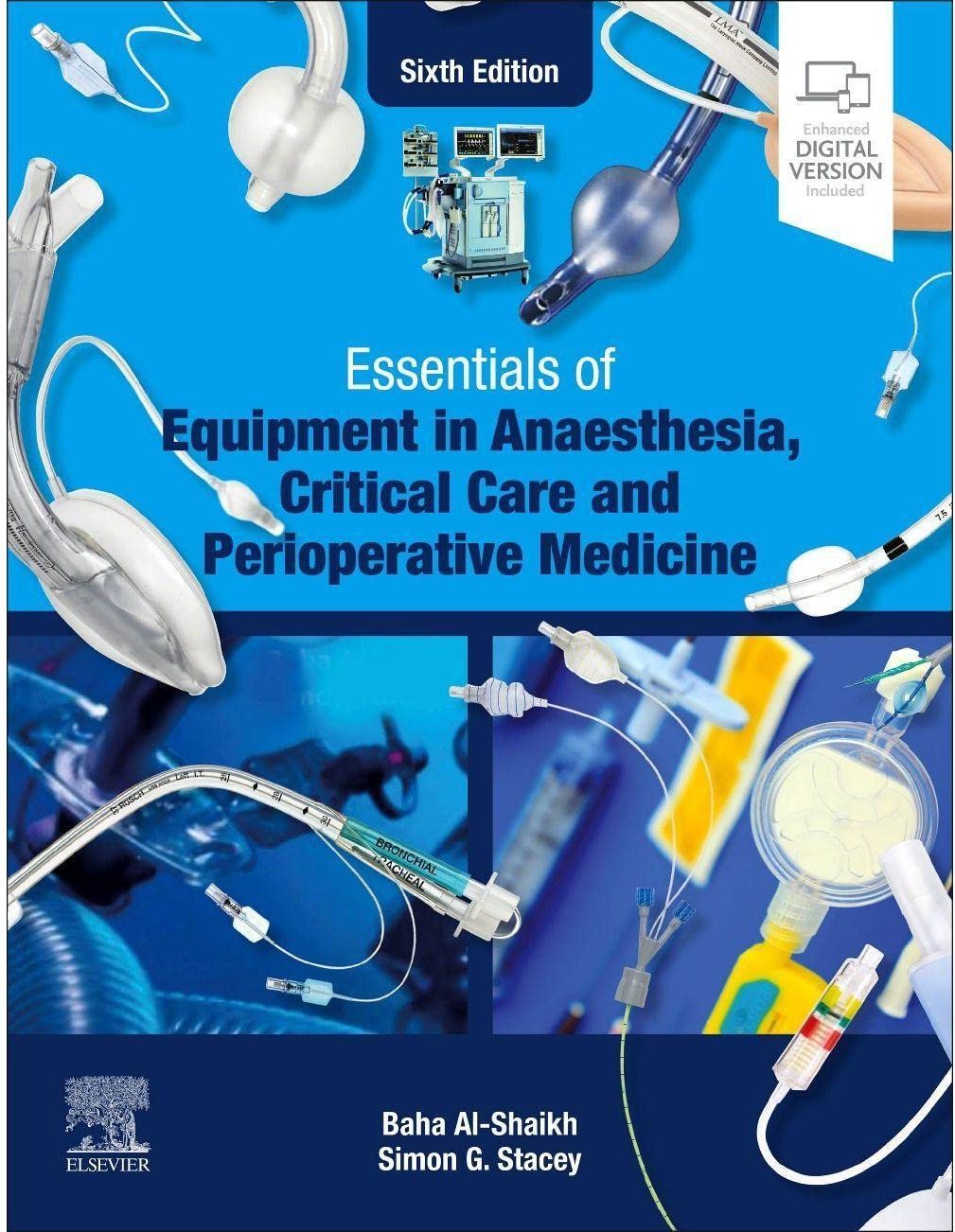
Elsevier Essentials of Equipment in Anaesthesia, Critical Care and Perioperative MedicineEasy to read and follow, Essentials of Equipment in Anaesthesia, Critical Care and Perioperative Medicine makes an otherwise dry subject digestible and easy to learn. This practical textbook comprehensively covers all the equipment used in the operating theatre and intensive care unit, including why it is used and any related safety concerns. It has been fully updated in its sixth edition to include new technologies introduced during the Covid-19 pandemic. This is ideal as the main text for all trainees undertaking the primary FRCA exams and is also suitable anyone who works with anaesthetic equipment, including anaesthetic and intensive care nurses and operating department practitioners. It features concise and consistent text and illustrations, self-assessment features, and exam tips. Portable, concise and simply formatted - a perfect practical companion Clear coloured images and illustrations bring the text to life Follows the Royal College of Anaesthetists postgraduate training and exam syllabus Summary boxes, more than 100 exam style questions, and OSCE stations and exam tips all aid the reader in exam revision Covers new equipment and fully updated relevant to current practice Suggested further reading fully updated New information on: Aladin Cassettes; Glostavent machine; CONTRAfluran system; videolaryngoscopy and high definition camera use in intubation and endoscopy; use of ultrasound in epidural; Penthrox; NRFit devices; Cell saver; ECMO38,99 £*Shipping: 0,00 £Secure redirect to the provider
-
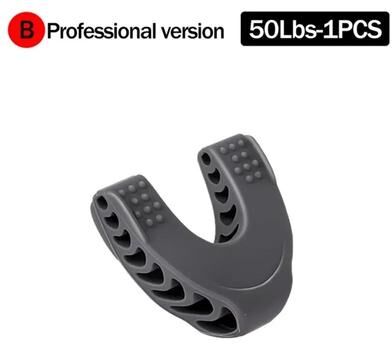
Uplifted Finds U Shape Facial Jawline Exerciser Training Equipment greyDefine and strengthen your facial profile with the Facial Pop N Go Jaw Exerciser, a specialized fitness tool designed to act as an efficient tool for jawline sculpting and facial muscle toning. Specifically engineered with a Ushaped ergonomic...55,97 $*Shipping: 0,00 $Secure redirect to the provider
-
Do you need to have a horse to learn horsemanship and riding?
No, you do not need to own a horse to learn horsemanship and riding. Many equestrian centers and stables offer lessons and programs where you can learn how to ride and care for horses without owning one. These facilities typically provide lesson horses for students to use. Additionally, there are opportunities to volunteer at rescue organizations or farms to gain experience with horses. **
-
How long should the horsemanship lead rope be?
The horsemanship lead rope should typically be around 10-12 feet long. This length allows for enough slack to give the horse freedom of movement while still maintaining control. A longer lead rope can be cumbersome and may get tangled, while a shorter lead rope may restrict the horse's movement and communication with the handler. Ultimately, the ideal length will depend on the specific situation and the handler's preferences. **
-
Do you need to have a horse in order to learn horsemanship and riding?
No, you do not need to own a horse in order to learn horsemanship and riding. Many stables and equestrian centers offer lessons and programs for individuals who do not own a horse. These facilities provide access to well-trained horses and experienced instructors who can teach the fundamentals of horsemanship and riding. Additionally, there are opportunities to volunteer at stables or participate in horse camps to gain hands-on experience without owning a horse. **
-
How do the aids work in academic classical horsemanship?
In academic classical horsemanship, aids are used to communicate with the horse effectively and subtly. The aids include the rider's seat, legs, hands, and voice. By using these aids correctly, the rider can convey their intentions to the horse with precision and clarity. Through consistent and correct application of the aids, the horse learns to respond to subtle cues, resulting in a harmonious partnership between horse and rider. **
* All prices are inclusive of VAT and, if applicable, plus shipping costs. The offer information is based on the details provided by the respective shop and is updated through automated processes. Real-time updates do not occur, so deviations can occur in individual cases. ** Note: Parts of this content were created by AI.