Buy lthorses.eu ?
We are moving the project
lthorses.eu .
Are you interested in purchasing the domain
lthorses.eu ?
domain@kv-gmbh.de · 0541-91531010
Buy lthorses.eu ?
Is hypoglycemia serious?
Yes, hypoglycemia can be serious, especially if left untreated. It can lead to symptoms such as confusion, dizziness, seizures, and in severe cases, loss of consciousness or coma. If not addressed promptly, hypoglycemia can be life-threatening. It is important for individuals with diabetes or other conditions that can cause low blood sugar to monitor their levels closely and seek medical attention if they experience symptoms of hypoglycemia. **
What happens during hypoglycemia?
Hypoglycemia occurs when blood sugar levels drop below normal levels, typically below 70 mg/dL. Symptoms of hypoglycemia can include shakiness, sweating, confusion, dizziness, and in severe cases, loss of consciousness. It is important to treat hypoglycemia promptly by consuming fast-acting carbohydrates such as juice, candy, or glucose tablets to raise blood sugar levels back to normal. If left untreated, hypoglycemia can lead to more serious complications such as seizures or coma. **


Similar search terms for Hypoglycemia
Top-Angebote
Products related to Hypoglycemia:
-
Victorinox Swiss Army Knife EquestrianThe Victorinox Swiss Army Knife Equestrian is the perfect pocket companion for passionate riders. Designed with equine enthusiasts in mind, it features a compact yet highly effective hoof cleaner, making it ideal for use after rides or while working around the yard. In summary, this knife is portable, practical, and ready to tackle any equine challenge. Tools: Blade, large / Bottle opener / Can opener / Corkscrew / Hoof cleaner / Keyring / Reamer and punch / Screwdriver 5mm / Toothpick / Tweezers / Wire stripper / Wood saw Dimensions: 1.8(H) x 11.1(L) x 3.2(W) cm. Weight: 0.125kg. The Victorinox Swiss Army Knife Equestrian is covered by a Victorinox lifetime warranty. Knives are not for sale to persons under the age of 18. - all knives and bladed products are delivered by Age Verified Delivery (AVD). The carrier may request proof of age in order to deliver your parcel. If proof of age is not available, or the recipient is underage, the carrier will refuse to deliver.57,95 £*Shipping: 0,00 £Secure redirect to the provider
-
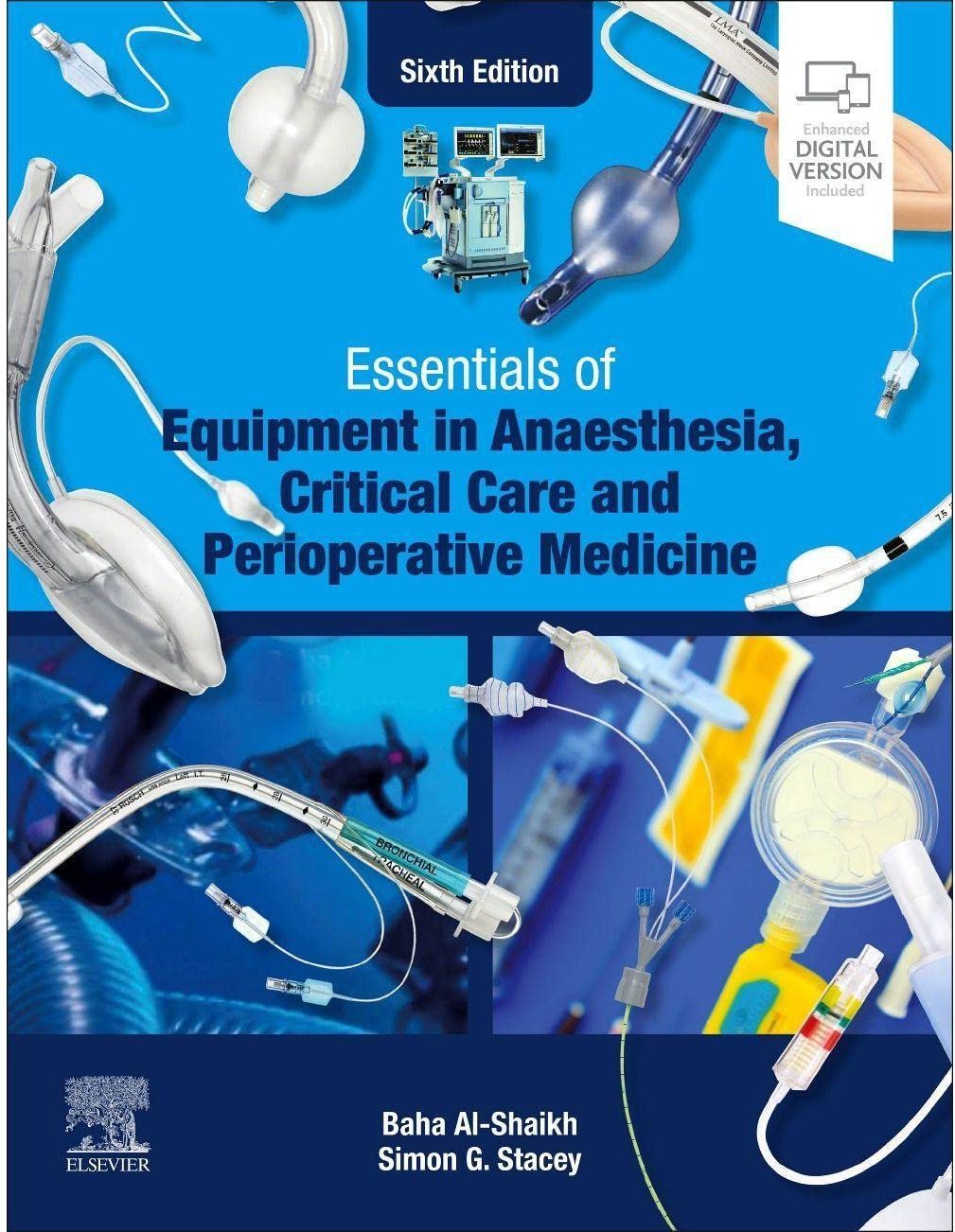
Elsevier Essentials of Equipment in Anaesthesia, Critical Care and Perioperative MedicineEasy to read and follow, Essentials of Equipment in Anaesthesia, Critical Care and Perioperative Medicine makes an otherwise dry subject digestible and easy to learn. This practical textbook comprehensively covers all the equipment used in the operating theatre and intensive care unit, including why it is used and any related safety concerns. It has been fully updated in its sixth edition to include new technologies introduced during the Covid-19 pandemic. This is ideal as the main text for all trainees undertaking the primary FRCA exams and is also suitable anyone who works with anaesthetic equipment, including anaesthetic and intensive care nurses and operating department practitioners. It features concise and consistent text and illustrations, self-assessment features, and exam tips. Portable, concise and simply formatted - a perfect practical companion Clear coloured images and illustrations bring the text to life Follows the Royal College of Anaesthetists postgraduate training and exam syllabus Summary boxes, more than 100 exam style questions, and OSCE stations and exam tips all aid the reader in exam revision Covers new equipment and fully updated relevant to current practice Suggested further reading fully updated New information on: Aladin Cassettes; Glostavent machine; CONTRAfluran system; videolaryngoscopy and high definition camera use in intubation and endoscopy; use of ultrasound in epidural; Penthrox; NRFit devices; Cell saver; ECMO38,99 £*Shipping: 0,00 £Secure redirect to the provider
-
Uplifted Finds U Shape Facial Jawline Exerciser Training Equipment greyDefine and strengthen your facial profile with the Facial Pop N Go Jaw Exerciser, a specialized fitness tool designed to act as an efficient tool for jawline sculpting and facial muscle toning. Specifically engineered with a Ushaped ergonomic...55,97 $*Shipping: 0,00 $Secure redirect to the provider



-
Which sugar for hypoglycemia?
Glucose is the preferred sugar for treating hypoglycemia. It is rapidly absorbed into the bloodstream and can quickly raise blood sugar levels. Other options include fruit juice, soda, or candy containing sugar. It is important to follow up with a complex carbohydrate and protein to stabilize blood sugar levels after the initial treatment. **
-
How can hypoglycemia occur?
Hypoglycemia can occur when the blood sugar level drops below normal levels, typically below 70 mg/dL. This can happen due to various reasons, including: 1. Skipping meals or not eating enough food 2. Exercising vigorously without adjusting insulin or food intake 3. Taking too much insulin or diabetes medication 4. Drinking alcohol without eating enough food 5. Certain medical conditions or medications that affect blood sugar levels 6. Hormonal imbalances 7. Critical illness or sepsis It is important for individuals with diabetes or other conditions that can cause hypoglycemia to monitor their blood sugar levels regularly and take appropriate steps to prevent low blood sugar episodes. **
-
What to drink during hypoglycemia?
During hypoglycemia, it is recommended to drink a fast-acting source of glucose to quickly raise blood sugar levels. This can include fruit juice, regular soda, glucose gel, or glucose tablets. It is important to avoid drinks that are high in caffeine or alcohol, as they can worsen hypoglycemia. **
-
How often does hypoglycemia occur?
Hypoglycemia can occur in people with diabetes who are taking insulin or certain oral medications. The frequency of hypoglycemia can vary depending on factors such as the type of diabetes, the individual's medication regimen, diet, and physical activity level. Some people may experience hypoglycemia frequently, while others may only experience it occasionally. It is important for individuals with diabetes to work with their healthcare team to manage their blood sugar levels and minimize the risk of hypoglycemia. **

Can someone die from hypoglycemia?
Yes, severe hypoglycemia can be life-threatening and can lead to death if not treated promptly. When blood sugar levels drop too low, the brain and other organs may not receive enough energy to function properly, leading to symptoms such as confusion, seizures, and loss of consciousness. If left untreated, severe hypoglycemia can result in coma and death. It is important for individuals with diabetes or other conditions that can cause hypoglycemia to monitor their blood sugar levels closely and seek medical attention if they experience severe symptoms. **
How can one prevent hypoglycemia?
One can prevent hypoglycemia by maintaining a balanced diet that includes regular meals and snacks to keep blood sugar levels stable. It is also important to monitor blood sugar levels regularly, especially for those with diabetes, and to adjust insulin or medication doses as needed. Engaging in regular physical activity can also help regulate blood sugar levels. Additionally, being aware of the signs and symptoms of hypoglycemia and taking prompt action when they occur can help prevent severe episodes. **
Top-Angebote
Products related to Hypoglycemia:
-
Inspire Essentials Tibialis Trainer Tib Bar Strength Training Calf Raise Equipment Tibialis Trainer Tib Bar Strength Training Calf Raise EquipmentStronger lower legs start with targeted training. This specialized tibialis trainer is designed to help build strength in the oftenneglected tibialis anterior muscle, improving ankle stability, balance, and overall leg performance. Built for serious...128,50 $*Shipping: 0,00 $Secure redirect to the provider
-
StayWell Aluminum Alloy Swinging Rope, Durable Gym Equipment For Strength Training Aluminum Alloy Swinging Rope, Durable Gym Equipment For Strength Training"Elevate Your Strength Training with the Compact Steel Fitness Rope Designed for fitness enthusiasts seeking efficient and spacesaving equipment, this 15.7""inch ropefree training rope is a gamechanger for home and commercial gyms. Key Features:..."56,97 $*Shipping: 0,00 $Secure redirect to the provider
-
Victorinox Swiss Army Knife EquestrianThe Victorinox Swiss Army Knife Equestrian is the perfect pocket companion for passionate riders. Designed with equine enthusiasts in mind, it features a compact yet highly effective hoof cleaner, making it ideal for use after rides or while working around the yard. In summary, this knife is portable, practical, and ready to tackle any equine challenge. Tools: Blade, large / Bottle opener / Can opener / Corkscrew / Hoof cleaner / Keyring / Reamer and punch / Screwdriver 5mm / Toothpick / Tweezers / Wire stripper / Wood saw Dimensions: 1.8(H) x 11.1(L) x 3.2(W) cm. Weight: 0.125kg. The Victorinox Swiss Army Knife Equestrian is covered by a Victorinox lifetime warranty. Knives are not for sale to persons under the age of 18. - all knives and bladed products are delivered by Age Verified Delivery (AVD). The carrier may request proof of age in order to deliver your parcel. If proof of age is not available, or the recipient is underage, the carrier will refuse to deliver.57,95 £*Shipping: 0,00 £Secure redirect to the provider
-
Elsevier Essentials of Equipment in Anaesthesia, Critical Care and Perioperative MedicineEasy to read and follow, Essentials of Equipment in Anaesthesia, Critical Care and Perioperative Medicine makes an otherwise dry subject digestible and easy to learn. This practical textbook comprehensively covers all the equipment used in the operating theatre and intensive care unit, including why it is used and any related safety concerns. It has been fully updated in its sixth edition to include new technologies introduced during the Covid-19 pandemic. This is ideal as the main text for all trainees undertaking the primary FRCA exams and is also suitable anyone who works with anaesthetic equipment, including anaesthetic and intensive care nurses and operating department practitioners. It features concise and consistent text and illustrations, self-assessment features, and exam tips. Portable, concise and simply formatted - a perfect practical companion Clear coloured images and illustrations bring the text to life Follows the Royal College of Anaesthetists postgraduate training and exam syllabus Summary boxes, more than 100 exam style questions, and OSCE stations and exam tips all aid the reader in exam revision Covers new equipment and fully updated relevant to current practice Suggested further reading fully updated New information on: Aladin Cassettes; Glostavent machine; CONTRAfluran system; videolaryngoscopy and high definition camera use in intubation and endoscopy; use of ultrasound in epidural; Penthrox; NRFit devices; Cell saver; ECMO38,99 £*Shipping: 0,00 £Secure redirect to the provider
-
Is hypoglycemia serious?
Yes, hypoglycemia can be serious, especially if left untreated. It can lead to symptoms such as confusion, dizziness, seizures, and in severe cases, loss of consciousness or coma. If not addressed promptly, hypoglycemia can be life-threatening. It is important for individuals with diabetes or other conditions that can cause low blood sugar to monitor their levels closely and seek medical attention if they experience symptoms of hypoglycemia. **
-
What happens during hypoglycemia?
Hypoglycemia occurs when blood sugar levels drop below normal levels, typically below 70 mg/dL. Symptoms of hypoglycemia can include shakiness, sweating, confusion, dizziness, and in severe cases, loss of consciousness. It is important to treat hypoglycemia promptly by consuming fast-acting carbohydrates such as juice, candy, or glucose tablets to raise blood sugar levels back to normal. If left untreated, hypoglycemia can lead to more serious complications such as seizures or coma. **
-
Which sugar for hypoglycemia?
Glucose is the preferred sugar for treating hypoglycemia. It is rapidly absorbed into the bloodstream and can quickly raise blood sugar levels. Other options include fruit juice, soda, or candy containing sugar. It is important to follow up with a complex carbohydrate and protein to stabilize blood sugar levels after the initial treatment. **
-
How can hypoglycemia occur?
Hypoglycemia can occur when the blood sugar level drops below normal levels, typically below 70 mg/dL. This can happen due to various reasons, including: 1. Skipping meals or not eating enough food 2. Exercising vigorously without adjusting insulin or food intake 3. Taking too much insulin or diabetes medication 4. Drinking alcohol without eating enough food 5. Certain medical conditions or medications that affect blood sugar levels 6. Hormonal imbalances 7. Critical illness or sepsis It is important for individuals with diabetes or other conditions that can cause hypoglycemia to monitor their blood sugar levels regularly and take appropriate steps to prevent low blood sugar episodes. **
Similar search terms for Hypoglycemia
-
Uplifted Finds U Shape Facial Jawline Exerciser Training Equipment greyDefine and strengthen your facial profile with the Facial Pop N Go Jaw Exerciser, a specialized fitness tool designed to act as an efficient tool for jawline sculpting and facial muscle toning. Specifically engineered with a Ushaped ergonomic...55,97 $*Shipping: 0,00 $Secure redirect to the provider
-
Multisell Products Hub Resistance Bands For Fitness, Workout Equipment For Crossfit, Gym Strength Training Resistance Bands For Fitness, Workout Equipment For Crossfit, Gym Strength TrainingMaximize Your Workout Potential Take your fitness journey to the 5 pcs next level with our Elastic Bands for Fitness. Designed to enhance your strength training, these resistance bands are perfect for all fitness levels, from beginners to seasoned...34,97 $*Shipping: 0,00 $Secure redirect to the provider
-
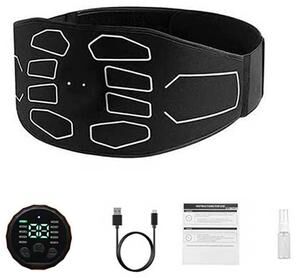
Inspire Daily Merch Muscle Toner Waist Belt For Abdominal Training Abdominal Massager Fitness Equipment Muscle Toner Waist Belt For Abdominal Training Abdominal Massager Fitness EquipmentTransform Your Abdominal Training Routine Looking for an effective way to enhance your abdominal muscle training The 120cm Abdominal Massager Waist Belt is your ultimate fitness companion. Designed to target your waist and abdominal muscles, this...49,97 $*Shipping: 0,00 $Secure redirect to the provider
-
What to drink during hypoglycemia?
During hypoglycemia, it is recommended to drink a fast-acting source of glucose to quickly raise blood sugar levels. This can include fruit juice, regular soda, glucose gel, or glucose tablets. It is important to avoid drinks that are high in caffeine or alcohol, as they can worsen hypoglycemia. **
-
How often does hypoglycemia occur?
Hypoglycemia can occur in people with diabetes who are taking insulin or certain oral medications. The frequency of hypoglycemia can vary depending on factors such as the type of diabetes, the individual's medication regimen, diet, and physical activity level. Some people may experience hypoglycemia frequently, while others may only experience it occasionally. It is important for individuals with diabetes to work with their healthcare team to manage their blood sugar levels and minimize the risk of hypoglycemia. **
-
Can someone die from hypoglycemia?
Yes, severe hypoglycemia can be life-threatening and can lead to death if not treated promptly. When blood sugar levels drop too low, the brain and other organs may not receive enough energy to function properly, leading to symptoms such as confusion, seizures, and loss of consciousness. If left untreated, severe hypoglycemia can result in coma and death. It is important for individuals with diabetes or other conditions that can cause hypoglycemia to monitor their blood sugar levels closely and seek medical attention if they experience severe symptoms. **
-
How can one prevent hypoglycemia?
One can prevent hypoglycemia by maintaining a balanced diet that includes regular meals and snacks to keep blood sugar levels stable. It is also important to monitor blood sugar levels regularly, especially for those with diabetes, and to adjust insulin or medication doses as needed. Engaging in regular physical activity can also help regulate blood sugar levels. Additionally, being aware of the signs and symptoms of hypoglycemia and taking prompt action when they occur can help prevent severe episodes. **
* All prices are inclusive of VAT and, if applicable, plus shipping costs. The offer information is based on the details provided by the respective shop and is updated through automated processes. Real-time updates do not occur, so deviations can occur in individual cases. ** Note: Parts of this content were created by AI.