Buy lthorses.eu ?
We are moving the project
lthorses.eu .
Are you interested in purchasing the domain
lthorses.eu ?
domain@kv-gmbh.de · 0541-91531010
Buy lthorses.eu ?
How do I care for my cactus?
Caring for a cactus involves providing the right amount of light, water, and soil. Here are some general tips for caring for your cactus: 1. Light: Cacti thrive in bright, indirect sunlight. Place your cactus in a location where it can receive at least 6 hours of sunlight per day. 2. Water: Cacti are drought-tolerant plants and do not require frequent watering. Water your cactus only when the top inch of soil is dry. Be sure to use well-draining soil to prevent root rot. 3. Soil: Use a well-draining cactus or succulent mix for planting your cactus. This will help prevent overwatering and root rot. 4. Temperature: Cacti prefer warm temperatures and do well in a range of 65-90°F (18-32°C). Protect your cactus from extreme cold temperatures. 5. Fertilizer: Fertilize your cactus sparingly, using a balanced fertilizer diluted to half strength during the growing season (spring and summer). 6. Repotting: Repot your cactus every 2-3 years to refresh the soil and provide more space for growth. By following these care tips, you can help your cactus thrive and stay healthy for years to come. **
Can every cactus have a cactus flower?
Not every cactus can produce a cactus flower. While many cacti do produce beautiful flowers, some species may not flower at all or may only produce flowers under specific conditions. Factors such as the age of the cactus, its health, and the environment it is grown in can all affect its ability to produce flowers. Additionally, some cacti may only flower under certain seasonal or climatic conditions. **
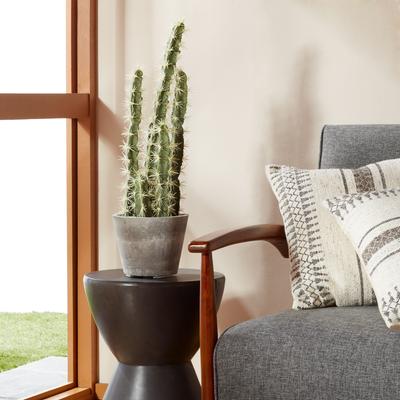
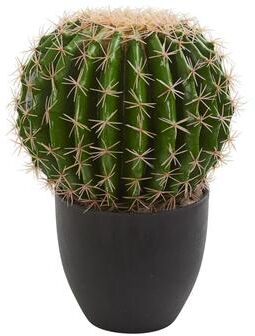
Similar search terms for Nearly-Natural-Decorative-Cactus
Top-Angebote
Products related to Nearly-Natural-Decorative-Cactus:
-
Nearly Natural 6.5' Cactus Artificial PlantLend Southwestern flair to your home with this cactus artificial plant. Featuring multiple stems with spines for a realistic look, this artificial plant brings natural beauty to your home without the upkeep.392,58 $*Shipping: 0,00 $Secure redirect to the provider
-
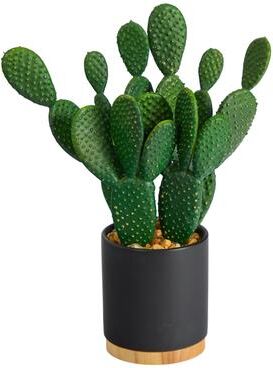
Nearly Natural "10"" Cactus Succulent Artificial Plant in Planter"Bring those desert vibes to any area with this maintenance-free artificial succulent plant. Inspired by the Arizonian desert and crafted by horticulturists, the spiky, dark-colored leaves add depth and texture to any space.32,36 $*Shipping: 0,00 $Secure redirect to the provider



-
How can I properly care for my cactus?
To properly care for your cactus, make sure it receives plenty of sunlight, ideally at least 6 hours of indirect sunlight per day. Water your cactus sparingly, allowing the soil to dry out completely between waterings to prevent root rot. Use a well-draining cactus mix soil and a pot with drainage holes to prevent waterlogging. During the growing season, you can fertilize your cactus with a diluted cactus fertilizer every 4-6 weeks. Lastly, keep your cactus in a warm and dry environment, as they thrive in temperatures between 65-85°F (18-29°C) and low humidity levels. **
-
How do I take care of a cactus?
Taking care of a cactus involves providing the right amount of sunlight, water, and soil. Here are some general tips for caring for a cactus: 1. Sunlight: Most cacti thrive in bright, indirect sunlight. Place your cactus near a window where it can receive plenty of sunlight throughout the day. 2. Watering: Cacti are desert plants and do not require frequent watering. Allow the soil to dry out completely between waterings, and then water the cactus thoroughly. Be sure to use a well-draining soil mix to prevent root rot. 3. Soil: Use a cactus or succulent-specific soil mix that is well-draining and provides good aeration for the roots. Avoid using regular potting soil, as it can retain too much moisture and lead to root rot. 4. Temperature: Cacti prefer warm temperatures and do well in a range of 65-90°F (18-32°C). Avoid exposing your cactus to extreme temperature fluctuations. 5. Fertilizing: Cacti do not require frequent fertilizing. You can feed your cactus with a diluted cactus fertilizer once or twice a year during the growing season (spring and summer). 6. Repotting: Cacti generally do not need to be repotted often, as they prefer to be slightly root-bound. Repot your cactus only when it has outgrown its current container or if the soil has become compacted. By following these care **
-
Which decorative plaster is this?
This is Venetian plaster, a type of decorative plaster that originated in Italy. It is known for its smooth, glossy finish that resembles polished marble. Venetian plaster is made from slaked lime and marble dust, giving it a luxurious and elegant appearance. It is often used to create a sophisticated and timeless look in interior design. **
-
How are decorative items stored?
Decorative items are typically stored in various ways depending on their size, fragility, and material. Smaller decorative items such as figurines or vases are often stored in cabinets, shelves, or display cases to keep them safe and organized. Larger decorative items like sculptures or artwork may be stored in dedicated storage areas such as a closet or attic, or they may be displayed in a prominent location within a room. Fragile decorative items like glassware or ceramics are usually wrapped in protective materials such as bubble wrap or tissue paper before being stored to prevent damage. **


Can decorative swords be sharpened?
Yes, decorative swords can be sharpened. However, it is important to consider the purpose of the sword and the materials it is made of before sharpening it. Some decorative swords are not designed for practical use and may not hold an edge well, while others are made of high-quality materials and can be sharpened for functional use. It is best to consult with a professional or someone experienced in sword maintenance before attempting to sharpen a decorative sword. **
How can one collect decorative weapons?
One can collect decorative weapons by researching different types of weapons and their historical significance. Visiting antique shops, auctions, and online marketplaces can help in finding unique and authentic pieces. It is important to ensure the weapons are legal to own and display, and to properly care for and maintain them to preserve their value. Joining collector groups or attending weapon shows can also provide opportunities to network with other enthusiasts and expand one's collection. **
Top-Angebote
Products related to Nearly-Natural-Decorative-Cactus:
-
Nearly Natural Decorative Cactus Garden with Cement PlanterAdd elegant vibrancy to your work or living space with this beautiful cactus arrangement. Offering a unique succulent design, this lifelike assortment makes a wonderful addition to your home or office or a perfect all-occasion gift.106,21 $*Shipping: 0,00 $Secure redirect to the provider
-
Nearly Natural 6.5' Cactus Artificial PlantLend Southwestern flair to your home with this cactus artificial plant. Featuring multiple stems with spines for a realistic look, this artificial plant brings natural beauty to your home without the upkeep.392,58 $*Shipping: 0,00 $Secure redirect to the provider
-
How do I care for my cactus?
Caring for a cactus involves providing the right amount of light, water, and soil. Here are some general tips for caring for your cactus: 1. Light: Cacti thrive in bright, indirect sunlight. Place your cactus in a location where it can receive at least 6 hours of sunlight per day. 2. Water: Cacti are drought-tolerant plants and do not require frequent watering. Water your cactus only when the top inch of soil is dry. Be sure to use well-draining soil to prevent root rot. 3. Soil: Use a well-draining cactus or succulent mix for planting your cactus. This will help prevent overwatering and root rot. 4. Temperature: Cacti prefer warm temperatures and do well in a range of 65-90°F (18-32°C). Protect your cactus from extreme cold temperatures. 5. Fertilizer: Fertilize your cactus sparingly, using a balanced fertilizer diluted to half strength during the growing season (spring and summer). 6. Repotting: Repot your cactus every 2-3 years to refresh the soil and provide more space for growth. By following these care tips, you can help your cactus thrive and stay healthy for years to come. **
-
Can every cactus have a cactus flower?
Not every cactus can produce a cactus flower. While many cacti do produce beautiful flowers, some species may not flower at all or may only produce flowers under specific conditions. Factors such as the age of the cactus, its health, and the environment it is grown in can all affect its ability to produce flowers. Additionally, some cacti may only flower under certain seasonal or climatic conditions. **
-
How can I properly care for my cactus?
To properly care for your cactus, make sure it receives plenty of sunlight, ideally at least 6 hours of indirect sunlight per day. Water your cactus sparingly, allowing the soil to dry out completely between waterings to prevent root rot. Use a well-draining cactus mix soil and a pot with drainage holes to prevent waterlogging. During the growing season, you can fertilize your cactus with a diluted cactus fertilizer every 4-6 weeks. Lastly, keep your cactus in a warm and dry environment, as they thrive in temperatures between 65-85°F (18-29°C) and low humidity levels. **
-
How do I take care of a cactus?
Taking care of a cactus involves providing the right amount of sunlight, water, and soil. Here are some general tips for caring for a cactus: 1. Sunlight: Most cacti thrive in bright, indirect sunlight. Place your cactus near a window where it can receive plenty of sunlight throughout the day. 2. Watering: Cacti are desert plants and do not require frequent watering. Allow the soil to dry out completely between waterings, and then water the cactus thoroughly. Be sure to use a well-draining soil mix to prevent root rot. 3. Soil: Use a cactus or succulent-specific soil mix that is well-draining and provides good aeration for the roots. Avoid using regular potting soil, as it can retain too much moisture and lead to root rot. 4. Temperature: Cacti prefer warm temperatures and do well in a range of 65-90°F (18-32°C). Avoid exposing your cactus to extreme temperature fluctuations. 5. Fertilizing: Cacti do not require frequent fertilizing. You can feed your cactus with a diluted cactus fertilizer once or twice a year during the growing season (spring and summer). 6. Repotting: Cacti generally do not need to be repotted often, as they prefer to be slightly root-bound. Repot your cactus only when it has outgrown its current container or if the soil has become compacted. By following these care **
Similar search terms for Nearly-Natural-Decorative-Cactus
-
Nearly Natural "10"" Cactus Succulent Artificial Plant in Planter"Bring those desert vibes to any area with this maintenance-free artificial succulent plant. Inspired by the Arizonian desert and crafted by horticulturists, the spiky, dark-colored leaves add depth and texture to any space.32,36 $*Shipping: 0,00 $Secure redirect to the provider
-
Nearly Natural Poinsettia with Decorative VaseMaterials: Polyester material, plastic, iron wire, wood, PVC leather Plant type: Poinsettia Plant holder dimensions: 10 inches high x 9 inches wide x 5 inches deep Overall dimensions: 18 inches high x 18 inches wide x 13 inches deep A little holiday…75,02 $*Shipping: 0,00 $Secure redirect to the provider
-
Nearly Natural Cymbidium w/Decorative VaseAdd gorgeous flowers to your decor year-round with this beautiful cymbidium with decorative vase set. The realistic-looking faux flowers will give your guests something to talk about. They come in white or burgundy to best match your room.124,49 $*Shipping: 0,00 $Secure redirect to the provider
-
Which decorative plaster is this?
This is Venetian plaster, a type of decorative plaster that originated in Italy. It is known for its smooth, glossy finish that resembles polished marble. Venetian plaster is made from slaked lime and marble dust, giving it a luxurious and elegant appearance. It is often used to create a sophisticated and timeless look in interior design. **
-
How are decorative items stored?
Decorative items are typically stored in various ways depending on their size, fragility, and material. Smaller decorative items such as figurines or vases are often stored in cabinets, shelves, or display cases to keep them safe and organized. Larger decorative items like sculptures or artwork may be stored in dedicated storage areas such as a closet or attic, or they may be displayed in a prominent location within a room. Fragile decorative items like glassware or ceramics are usually wrapped in protective materials such as bubble wrap or tissue paper before being stored to prevent damage. **
-
Can decorative swords be sharpened?
Yes, decorative swords can be sharpened. However, it is important to consider the purpose of the sword and the materials it is made of before sharpening it. Some decorative swords are not designed for practical use and may not hold an edge well, while others are made of high-quality materials and can be sharpened for functional use. It is best to consult with a professional or someone experienced in sword maintenance before attempting to sharpen a decorative sword. **
-
How can one collect decorative weapons?
One can collect decorative weapons by researching different types of weapons and their historical significance. Visiting antique shops, auctions, and online marketplaces can help in finding unique and authentic pieces. It is important to ensure the weapons are legal to own and display, and to properly care for and maintain them to preserve their value. Joining collector groups or attending weapon shows can also provide opportunities to network with other enthusiasts and expand one's collection. **
* All prices are inclusive of VAT and, if applicable, plus shipping costs. The offer information is based on the details provided by the respective shop and is updated through automated processes. Real-time updates do not occur, so deviations can occur in individual cases. ** Note: Parts of this content were created by AI.