Buy lthorses.eu ?
We are moving the project
lthorses.eu .
Are you interested in purchasing the domain
lthorses.eu ?
domain@kv-gmbh.de · 0541-91531010
Buy lthorses.eu ?
Why are investigation procedures stored?
Investigation procedures are stored to ensure consistency and accuracy in the investigation process. By documenting procedures, organizations can establish clear guidelines for conducting investigations, which helps to maintain transparency and accountability. Storing investigation procedures also allows for easy reference and training of new staff members, ensuring that investigations are conducted in a thorough and efficient manner. Additionally, having documented procedures can be beneficial in the event of legal challenges or audits, as it provides evidence that investigations were conducted in accordance with established protocols. **
Why are investigative procedures stored?
Investigative procedures are stored to ensure consistency and accuracy in the investigation process. By documenting and storing procedures, investigators can refer back to them to ensure they are following proper protocols and guidelines. This helps maintain the integrity of the investigation and ensures that all necessary steps are taken. Additionally, storing investigative procedures allows for transparency and accountability, as it provides a record of the actions taken during an investigation. **


Similar search terms for Procedures
Top-Angebote
Products related to Procedures:
-
In2Green Equestrian Riding Motif Stripe Knit ThrowThese blankets wash well, stay soft, and hold up beautifully over time. Our signature knit and woven products are made from fiberized t-shirt clippings salvaged from industrial t-shirt manufacturers.195,00 $*Shipping: 0,00 $Secure redirect to the provider
-
In2Green Equestrian Riding Gear Brown Knit ThrowFor those who appreciate timeless style and a love of the ride, our Equestrian Tack throw features an elegant pattern of bridles and bits in soft, tones that add warmth and sophistication to any space.194,99 $*Shipping: 0,00 $Secure redirect to the provider
-
Inspire Essentials Tibialis Trainer Tib Bar Strength Training Calf Raise Equipment Tibialis Trainer Tib Bar Strength Training Calf Raise EquipmentStronger lower legs start with targeted training. This specialized tibialis trainer is designed to help build strength in the oftenneglected tibialis anterior muscle, improving ankle stability, balance, and overall leg performance. Built for serious...128,50 $*Shipping: 0,00 $Secure redirect to the provider
-
StayWell Aluminum Alloy Swinging Rope, Durable Gym Equipment For Strength Training Aluminum Alloy Swinging Rope, Durable Gym Equipment For Strength Training"Elevate Your Strength Training with the Compact Steel Fitness Rope Designed for fitness enthusiasts seeking efficient and spacesaving equipment, this 15.7""inch ropefree training rope is a gamechanger for home and commercial gyms. Key Features:..."56,97 $*Shipping: 0,00 $Secure redirect to the provider


-
What hygiene procedures are there?
Hygiene procedures include regular handwashing with soap and water, especially before and after handling food, using the bathroom, or caring for someone who is sick. It is also important to cover your mouth and nose with a tissue or your elbow when coughing or sneezing, and to properly dispose of used tissues. Additionally, regularly cleaning and disinfecting frequently-touched surfaces, such as doorknobs, light switches, and countertops, can help prevent the spread of germs. Following these hygiene procedures can help reduce the risk of illness and promote overall health and well-being. **
-
Are anesthetics used for dental procedures?
Yes, anesthetics are commonly used for dental procedures to help manage pain and discomfort for the patient. Local anesthetics are often administered to numb the specific area being worked on, suchjson as a tooth or gum, while some procedures may also require general anesthesia for more complex or invasive treatments. The use of anesthetics in dental procedures helps to ensure that patients are comfortable and pain-free during their treatment. **
-
What are occasion procedures in engines?
Occasion procedures in engines are the specific steps or actions that need to be taken in order to start or operate an engine under certain circumstances or events. These procedures may include pre-flight checks, cold weather starting procedures, or emergency shutdown protocols. Following occasion procedures is important to ensure the safe and efficient operation of the engine in different situations. **
-
What are the procedures for transferring flights?
When transferring flights, passengers typically need to collect their luggage at their arrival airport and proceed to the connecting flight's departure gate. It is important to check the departure gate and boarding time for the connecting flight, as well as any potential changes in the flight schedule. Passengers may also need to go through security screening again before boarding the next flight. It is recommended to allow enough time between flights to account for any potential delays or issues that may arise during the transfer process. **

What are the differences in approach procedures?
Approach procedures are categorized into three main types: precision, non-precision, and visual. Precision approaches, such as ILS (Instrument Landing System), provide both horizontal and vertical guidance to the runway. Non-precision approaches, like VOR (VHF Omnidirectional Range) or NDB (Non-Directional Beacon), only provide lateral guidance. Visual approaches rely on visual references to the runway and do not have any electronic guidance. Each type of approach has its own specific criteria and minimums for pilots to follow, depending on the equipment available and the weather conditions. **
What are the procedures for changing planes?
When changing planes, passengers typically need to follow these procedures: 1. Upon arrival at the connecting airport, check the departure screens or ask airport staff for information on your next flight's gate number and departure time. 2. Proceed to the designated gate for your connecting flight and wait for boarding to begin. 3. If your luggage was not checked through to your final destination, you may need to collect it at the baggage claim area and recheck it for your next flight. 4. Board your connecting flight at the designated time and enjoy the rest of your journey. **
Top-Angebote
Products related to Procedures:
-
GlowBake 5W LED Dental Head Light, Adjustable Brightness & Spot For Dentistry Lab & Surgical Procedures 5W LED Dental Head Light, Adjustable Brightness & Spot For Dentistry Lab & Surgical ProceduresPrecision Illumination for Dental ProfessionalsUpgrade your dental practice with our 5W LED Dental Head Light, designed for superior visibility and comfort during intricate procedures. Built with durable plastic material, this headlamp withstands...94,97 $*Shipping: 0,00 $Secure redirect to the provider
-
In2Green Equestrian Riding Motif Stripe Knit ThrowThese blankets wash well, stay soft, and hold up beautifully over time. Our signature knit and woven products are made from fiberized t-shirt clippings salvaged from industrial t-shirt manufacturers.195,00 $*Shipping: 0,00 $Secure redirect to the provider
-
In2Green Equestrian Riding Gear Brown Knit ThrowFor those who appreciate timeless style and a love of the ride, our Equestrian Tack throw features an elegant pattern of bridles and bits in soft, tones that add warmth and sophistication to any space.194,99 $*Shipping: 0,00 $Secure redirect to the provider
-
Why are investigation procedures stored?
Investigation procedures are stored to ensure consistency and accuracy in the investigation process. By documenting procedures, organizations can establish clear guidelines for conducting investigations, which helps to maintain transparency and accountability. Storing investigation procedures also allows for easy reference and training of new staff members, ensuring that investigations are conducted in a thorough and efficient manner. Additionally, having documented procedures can be beneficial in the event of legal challenges or audits, as it provides evidence that investigations were conducted in accordance with established protocols. **
-
Why are investigative procedures stored?
Investigative procedures are stored to ensure consistency and accuracy in the investigation process. By documenting and storing procedures, investigators can refer back to them to ensure they are following proper protocols and guidelines. This helps maintain the integrity of the investigation and ensures that all necessary steps are taken. Additionally, storing investigative procedures allows for transparency and accountability, as it provides a record of the actions taken during an investigation. **
-
What hygiene procedures are there?
Hygiene procedures include regular handwashing with soap and water, especially before and after handling food, using the bathroom, or caring for someone who is sick. It is also important to cover your mouth and nose with a tissue or your elbow when coughing or sneezing, and to properly dispose of used tissues. Additionally, regularly cleaning and disinfecting frequently-touched surfaces, such as doorknobs, light switches, and countertops, can help prevent the spread of germs. Following these hygiene procedures can help reduce the risk of illness and promote overall health and well-being. **
-
Are anesthetics used for dental procedures?
Yes, anesthetics are commonly used for dental procedures to help manage pain and discomfort for the patient. Local anesthetics are often administered to numb the specific area being worked on, suchjson as a tooth or gum, while some procedures may also require general anesthesia for more complex or invasive treatments. The use of anesthetics in dental procedures helps to ensure that patients are comfortable and pain-free during their treatment. **
Similar search terms for Procedures
-
Inspire Essentials Tibialis Trainer Tib Bar Strength Training Calf Raise Equipment Tibialis Trainer Tib Bar Strength Training Calf Raise EquipmentStronger lower legs start with targeted training. This specialized tibialis trainer is designed to help build strength in the oftenneglected tibialis anterior muscle, improving ankle stability, balance, and overall leg performance. Built for serious...128,50 $*Shipping: 0,00 $Secure redirect to the provider
-
StayWell Aluminum Alloy Swinging Rope, Durable Gym Equipment For Strength Training Aluminum Alloy Swinging Rope, Durable Gym Equipment For Strength Training"Elevate Your Strength Training with the Compact Steel Fitness Rope Designed for fitness enthusiasts seeking efficient and spacesaving equipment, this 15.7""inch ropefree training rope is a gamechanger for home and commercial gyms. Key Features:..."56,97 $*Shipping: 0,00 $Secure redirect to the provider
-
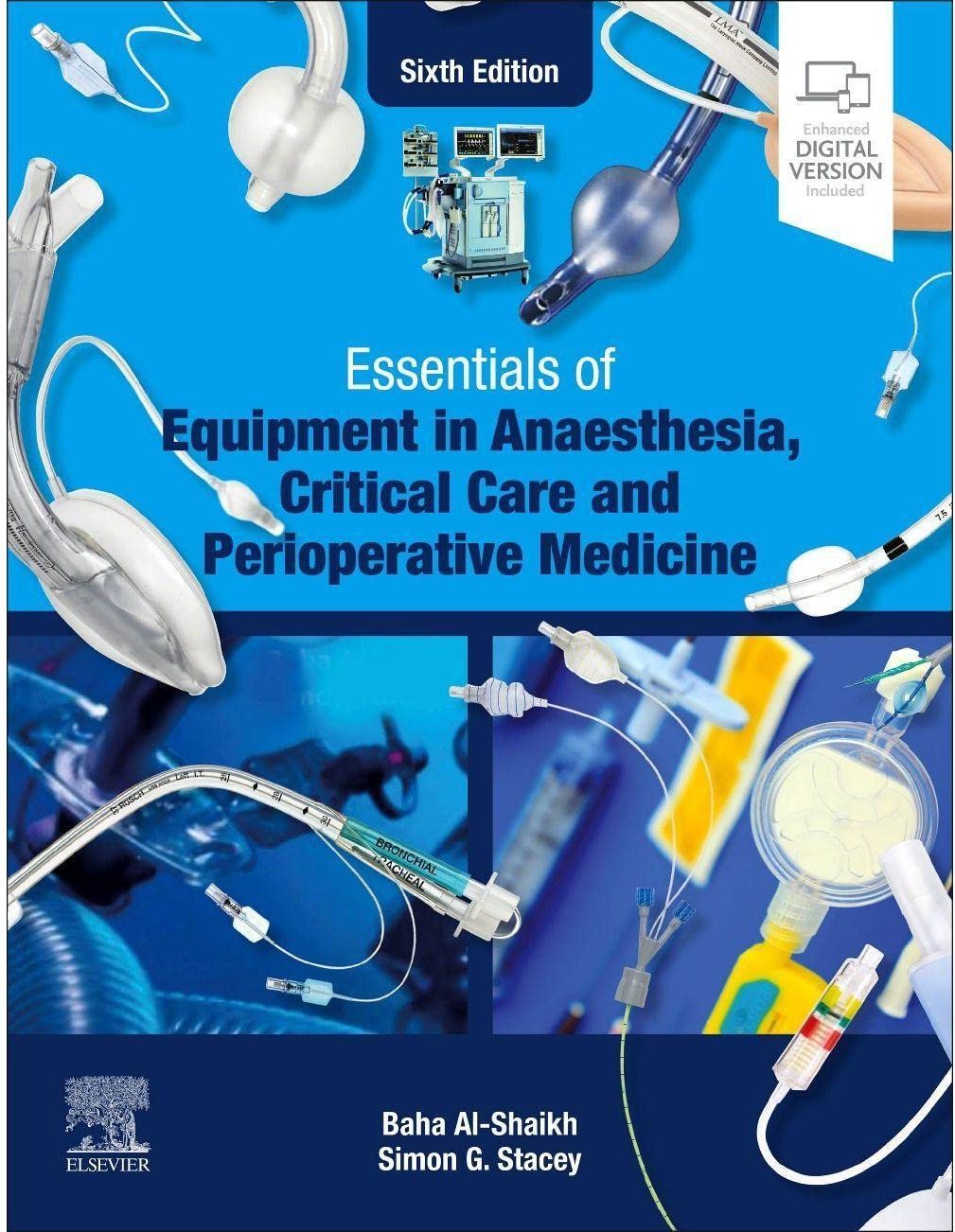
Elsevier Essentials of Equipment in Anaesthesia, Critical Care and Perioperative MedicineEasy to read and follow, Essentials of Equipment in Anaesthesia, Critical Care and Perioperative Medicine makes an otherwise dry subject digestible and easy to learn. This practical textbook comprehensively covers all the equipment used in the operating theatre and intensive care unit, including why it is used and any related safety concerns. It has been fully updated in its sixth edition to include new technologies introduced during the Covid-19 pandemic. This is ideal as the main text for all trainees undertaking the primary FRCA exams and is also suitable anyone who works with anaesthetic equipment, including anaesthetic and intensive care nurses and operating department practitioners. It features concise and consistent text and illustrations, self-assessment features, and exam tips. Portable, concise and simply formatted - a perfect practical companion Clear coloured images and illustrations bring the text to life Follows the Royal College of Anaesthetists postgraduate training and exam syllabus Summary boxes, more than 100 exam style questions, and OSCE stations and exam tips all aid the reader in exam revision Covers new equipment and fully updated relevant to current practice Suggested further reading fully updated New information on: Aladin Cassettes; Glostavent machine; CONTRAfluran system; videolaryngoscopy and high definition camera use in intubation and endoscopy; use of ultrasound in epidural; Penthrox; NRFit devices; Cell saver; ECMO38,99 £*Shipping: 0,00 £Secure redirect to the provider
-
What are occasion procedures in engines?
Occasion procedures in engines are the specific steps or actions that need to be taken in order to start or operate an engine under certain circumstances or events. These procedures may include pre-flight checks, cold weather starting procedures, or emergency shutdown protocols. Following occasion procedures is important to ensure the safe and efficient operation of the engine in different situations. **
-
What are the procedures for transferring flights?
When transferring flights, passengers typically need to collect their luggage at their arrival airport and proceed to the connecting flight's departure gate. It is important to check the departure gate and boarding time for the connecting flight, as well as any potential changes in the flight schedule. Passengers may also need to go through security screening again before boarding the next flight. It is recommended to allow enough time between flights to account for any potential delays or issues that may arise during the transfer process. **
-
What are the differences in approach procedures?
Approach procedures are categorized into three main types: precision, non-precision, and visual. Precision approaches, such as ILS (Instrument Landing System), provide both horizontal and vertical guidance to the runway. Non-precision approaches, like VOR (VHF Omnidirectional Range) or NDB (Non-Directional Beacon), only provide lateral guidance. Visual approaches rely on visual references to the runway and do not have any electronic guidance. Each type of approach has its own specific criteria and minimums for pilots to follow, depending on the equipment available and the weather conditions. **
-
What are the procedures for changing planes?
When changing planes, passengers typically need to follow these procedures: 1. Upon arrival at the connecting airport, check the departure screens or ask airport staff for information on your next flight's gate number and departure time. 2. Proceed to the designated gate for your connecting flight and wait for boarding to begin. 3. If your luggage was not checked through to your final destination, you may need to collect it at the baggage claim area and recheck it for your next flight. 4. Board your connecting flight at the designated time and enjoy the rest of your journey. **
* All prices are inclusive of VAT and, if applicable, plus shipping costs. The offer information is based on the details provided by the respective shop and is updated through automated processes. Real-time updates do not occur, so deviations can occur in individual cases. ** Note: Parts of this content were created by AI.