Buy lthorses.eu ?
We are moving the project
lthorses.eu .
Are you interested in purchasing the domain
lthorses.eu ?
domain@kv-gmbh.de · 0541-91531010
Buy lthorses.eu ?
What are similarity ratios?
Similarity ratios are ratios that compare the corresponding sides of two similar figures. They help us understand the relationship between the sides of similar shapes. The ratio of corresponding sides in similar figures is always the same, which means that if you know the ratio of one pair of sides, you can use it to find the ratio of other pairs of sides. Similarity ratios are important in geometry and are used to solve problems involving similar figures. **
What is the difference between similarity theorem 1 and similarity theorem 2?
Similarity theorem 1, also known as the Angle-Angle (AA) similarity theorem, states that if two angles of one triangle are congruent to two angles of another triangle, then the triangles are similar. On the other hand, similarity theorem 2, also known as the Side-Angle-Side (SAS) similarity theorem, states that if two sides of one triangle are proportional to two sides of another triangle and the included angles are congruent, then the triangles are similar. The main difference between the two theorems is the criteria for establishing similarity - AA theorem focuses on angle congruence, while SAS theorem focuses on both side proportionality and angle congruence. **


Similar search terms for Similarity
Top-Angebote
Products related to Similarity:
-
In2Green Equestrian Riding Gear Brown Knit ThrowFor those who appreciate timeless style and a love of the ride, our Equestrian Tack throw features an elegant pattern of bridles and bits in soft, tones that add warmth and sophistication to any space.194,99 $*Shipping: 0,00 $Secure redirect to the provider
-
Inspire Essentials Tibialis Trainer Tib Bar Strength Training Calf Raise Equipment Tibialis Trainer Tib Bar Strength Training Calf Raise EquipmentStronger lower legs start with targeted training. This specialized tibialis trainer is designed to help build strength in the oftenneglected tibialis anterior muscle, improving ankle stability, balance, and overall leg performance. Built for serious...128,50 $*Shipping: 0,00 $Secure redirect to the provider
-
StayWell Aluminum Alloy Swinging Rope, Durable Gym Equipment For Strength Training Aluminum Alloy Swinging Rope, Durable Gym Equipment For Strength Training"Elevate Your Strength Training with the Compact Steel Fitness Rope Designed for fitness enthusiasts seeking efficient and spacesaving equipment, this 15.7""inch ropefree training rope is a gamechanger for home and commercial gyms. Key Features:..."56,97 $*Shipping: 0,00 $Secure redirect to the provider


-
How can the similarity factor for determining the similarity of triangles be calculated?
The similarity factor for determining the similarity of triangles can be calculated by comparing the corresponding sides of the two triangles. If the ratio of the lengths of the corresponding sides of the two triangles is the same, then the triangles are similar. This ratio can be calculated by dividing the length of one side of a triangle by the length of the corresponding side of the other triangle. If all three ratios of corresponding sides are equal, then the triangles are similar. This is known as the similarity factor and is used to determine the similarity of triangles. **
-
How can one calculate the similarity factor to determine the similarity of triangles?
The similarity factor can be calculated by comparing the corresponding sides of two triangles. To do this, one can divide the length of one side of the first triangle by the length of the corresponding side of the second triangle. This process is repeated for all three pairs of corresponding sides. If the ratios of the corresponding sides are equal, then the triangles are similar, and the similarity factor will be 1. If the ratios are not equal, the similarity factor will be the ratio of the two triangles' areas. **
-
What is the similarity ratio?
The similarity ratio is a comparison of the corresponding sides of two similar figures. It is used to determine how the dimensions of one figure compare to the dimensions of another figure when they are similar. The ratio is calculated by dividing the length of a side of one figure by the length of the corresponding side of the other figure. This ratio remains constant for all pairs of corresponding sides in similar figures. **
-
What is similarity in mathematics?
In mathematics, similarity refers to the relationship between two objects or shapes that have the same shape but are not necessarily the same size. This means that the objects are proportional to each other, with corresponding angles being equal and corresponding sides being in the same ratio. Similarity is often used in geometry to compare and analyze shapes, allowing for the transfer of properties and measurements from one shape to another. **

Do you see the similarity?
Yes, I see the similarity between the two concepts. Both share common characteristics and features that make them comparable. The similarities can be observed in their structure, function, and behavior. These similarities help in understanding and drawing parallels between the two concepts. **
'How do you prove similarity?'
Similarity between two objects can be proven using various methods. One common method is to show that the corresponding angles of the two objects are congruent, and that the corresponding sides are in proportion to each other. Another method is to use transformations such as dilation, where one object can be scaled up or down to match the other object. Additionally, if the ratio of the lengths of corresponding sides is equal, then the two objects are similar. These methods can be used to prove similarity in geometric figures such as triangles or other polygons. **
Top-Angebote
Products related to Similarity:
-
In2Green Equestrian Riding Motif Stripe Knit ThrowThese blankets wash well, stay soft, and hold up beautifully over time. Our signature knit and woven products are made from fiberized t-shirt clippings salvaged from industrial t-shirt manufacturers.195,00 $*Shipping: 0,00 $Secure redirect to the provider
-
In2Green Equestrian Riding Gear Brown Knit ThrowFor those who appreciate timeless style and a love of the ride, our Equestrian Tack throw features an elegant pattern of bridles and bits in soft, tones that add warmth and sophistication to any space.194,99 $*Shipping: 0,00 $Secure redirect to the provider
-
Inspire Essentials Tibialis Trainer Tib Bar Strength Training Calf Raise Equipment Tibialis Trainer Tib Bar Strength Training Calf Raise EquipmentStronger lower legs start with targeted training. This specialized tibialis trainer is designed to help build strength in the oftenneglected tibialis anterior muscle, improving ankle stability, balance, and overall leg performance. Built for serious...128,50 $*Shipping: 0,00 $Secure redirect to the provider
-
What are similarity ratios?
Similarity ratios are ratios that compare the corresponding sides of two similar figures. They help us understand the relationship between the sides of similar shapes. The ratio of corresponding sides in similar figures is always the same, which means that if you know the ratio of one pair of sides, you can use it to find the ratio of other pairs of sides. Similarity ratios are important in geometry and are used to solve problems involving similar figures. **
-
What is the difference between similarity theorem 1 and similarity theorem 2?
Similarity theorem 1, also known as the Angle-Angle (AA) similarity theorem, states that if two angles of one triangle are congruent to two angles of another triangle, then the triangles are similar. On the other hand, similarity theorem 2, also known as the Side-Angle-Side (SAS) similarity theorem, states that if two sides of one triangle are proportional to two sides of another triangle and the included angles are congruent, then the triangles are similar. The main difference between the two theorems is the criteria for establishing similarity - AA theorem focuses on angle congruence, while SAS theorem focuses on both side proportionality and angle congruence. **
-
How can the similarity factor for determining the similarity of triangles be calculated?
The similarity factor for determining the similarity of triangles can be calculated by comparing the corresponding sides of the two triangles. If the ratio of the lengths of the corresponding sides of the two triangles is the same, then the triangles are similar. This ratio can be calculated by dividing the length of one side of a triangle by the length of the corresponding side of the other triangle. If all three ratios of corresponding sides are equal, then the triangles are similar. This is known as the similarity factor and is used to determine the similarity of triangles. **
-
How can one calculate the similarity factor to determine the similarity of triangles?
The similarity factor can be calculated by comparing the corresponding sides of two triangles. To do this, one can divide the length of one side of the first triangle by the length of the corresponding side of the second triangle. This process is repeated for all three pairs of corresponding sides. If the ratios of the corresponding sides are equal, then the triangles are similar, and the similarity factor will be 1. If the ratios are not equal, the similarity factor will be the ratio of the two triangles' areas. **
Similar search terms for Similarity
-
StayWell Aluminum Alloy Swinging Rope, Durable Gym Equipment For Strength Training Aluminum Alloy Swinging Rope, Durable Gym Equipment For Strength Training"Elevate Your Strength Training with the Compact Steel Fitness Rope Designed for fitness enthusiasts seeking efficient and spacesaving equipment, this 15.7""inch ropefree training rope is a gamechanger for home and commercial gyms. Key Features:..."56,97 $*Shipping: 0,00 $Secure redirect to the provider
-
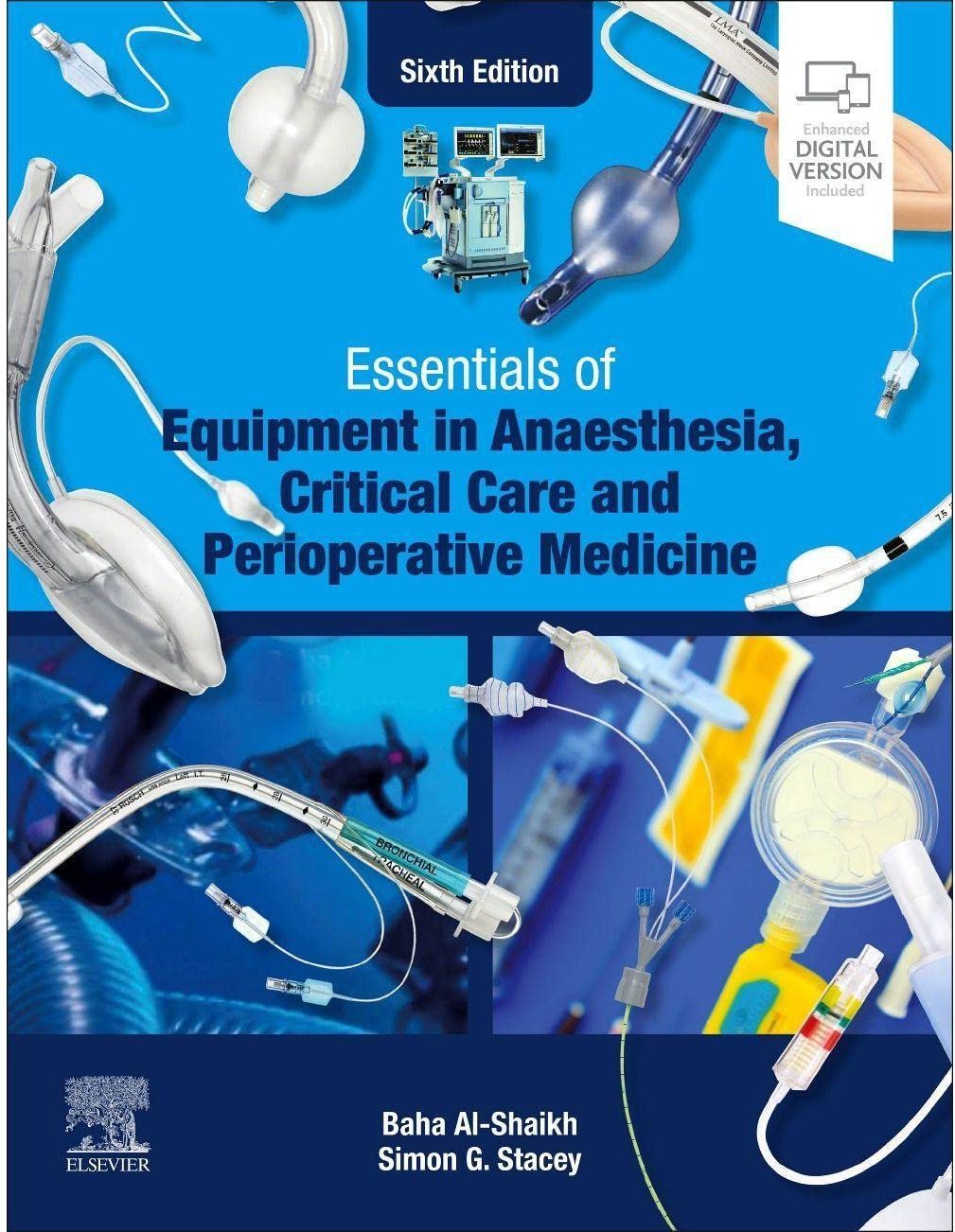
Elsevier Essentials of Equipment in Anaesthesia, Critical Care and Perioperative MedicineEasy to read and follow, Essentials of Equipment in Anaesthesia, Critical Care and Perioperative Medicine makes an otherwise dry subject digestible and easy to learn. This practical textbook comprehensively covers all the equipment used in the operating theatre and intensive care unit, including why it is used and any related safety concerns. It has been fully updated in its sixth edition to include new technologies introduced during the Covid-19 pandemic. This is ideal as the main text for all trainees undertaking the primary FRCA exams and is also suitable anyone who works with anaesthetic equipment, including anaesthetic and intensive care nurses and operating department practitioners. It features concise and consistent text and illustrations, self-assessment features, and exam tips. Portable, concise and simply formatted - a perfect practical companion Clear coloured images and illustrations bring the text to life Follows the Royal College of Anaesthetists postgraduate training and exam syllabus Summary boxes, more than 100 exam style questions, and OSCE stations and exam tips all aid the reader in exam revision Covers new equipment and fully updated relevant to current practice Suggested further reading fully updated New information on: Aladin Cassettes; Glostavent machine; CONTRAfluran system; videolaryngoscopy and high definition camera use in intubation and endoscopy; use of ultrasound in epidural; Penthrox; NRFit devices; Cell saver; ECMO38,99 £*Shipping: 0,00 £Secure redirect to the provider
-
Uplifted Finds U Shape Facial Jawline Exerciser Training Equipment greyDefine and strengthen your facial profile with the Facial Pop N Go Jaw Exerciser, a specialized fitness tool designed to act as an efficient tool for jawline sculpting and facial muscle toning. Specifically engineered with a Ushaped ergonomic...55,97 $*Shipping: 0,00 $Secure redirect to the provider
-
What is the similarity ratio?
The similarity ratio is a comparison of the corresponding sides of two similar figures. It is used to determine how the dimensions of one figure compare to the dimensions of another figure when they are similar. The ratio is calculated by dividing the length of a side of one figure by the length of the corresponding side of the other figure. This ratio remains constant for all pairs of corresponding sides in similar figures. **
-
What is similarity in mathematics?
In mathematics, similarity refers to the relationship between two objects or shapes that have the same shape but are not necessarily the same size. This means that the objects are proportional to each other, with corresponding angles being equal and corresponding sides being in the same ratio. Similarity is often used in geometry to compare and analyze shapes, allowing for the transfer of properties and measurements from one shape to another. **
-
Do you see the similarity?
Yes, I see the similarity between the two concepts. Both share common characteristics and features that make them comparable. The similarities can be observed in their structure, function, and behavior. These similarities help in understanding and drawing parallels between the two concepts. **
-
'How do you prove similarity?'
Similarity between two objects can be proven using various methods. One common method is to show that the corresponding angles of the two objects are congruent, and that the corresponding sides are in proportion to each other. Another method is to use transformations such as dilation, where one object can be scaled up or down to match the other object. Additionally, if the ratio of the lengths of corresponding sides is equal, then the two objects are similar. These methods can be used to prove similarity in geometric figures such as triangles or other polygons. **
* All prices are inclusive of VAT and, if applicable, plus shipping costs. The offer information is based on the details provided by the respective shop and is updated through automated processes. Real-time updates do not occur, so deviations can occur in individual cases. ** Note: Parts of this content were created by AI.