Buy lthorses.eu ?
We are moving the project
lthorses.eu .
Are you interested in purchasing the domain
lthorses.eu ?
domain@kv-gmbh.de · 0541-91531010
Buy lthorses.eu ?
What is sustainability?
Sustainability is the ability to meet the needs of the present without compromising the ability of future generations to meet their own needs. It involves finding a balance between social, economic, and environmental factors to ensure that resources are used in a way that preserves them for the long term. This can include practices such as reducing waste, conserving natural resources, and promoting renewable energy sources. Overall, sustainability aims to create a world where people and the planet can thrive together for generations to come. **
What distinguishes strong sustainability from the normal concept of sustainability?
Strong sustainability goes beyond the traditional concept of sustainability by emphasizing the importance of maintaining the integrity of natural systems and the well-being of future generations. It recognizes that certain natural resources and ecological processes are irreplaceable and cannot be substituted by human-made alternatives. Strong sustainability also prioritizes the protection of biodiversity and the resilience of ecosystems, rather than solely focusing on reducing environmental impacts or achieving short-term economic gains. In essence, strong sustainability requires a more holistic and long-term approach to environmental and social stewardship, placing a greater emphasis on intergenerational equity and the preservation of essential ecological functions. **


Similar search terms for Sustainability
Top-Angebote
Products related to Sustainability:
-
In2Green Equestrian Riding Gear Brown Knit ThrowFor those who appreciate timeless style and a love of the ride, our Equestrian Tack throw features an elegant pattern of bridles and bits in soft, tones that add warmth and sophistication to any space.194,99 $*Shipping: 0,00 $Secure redirect to the provider
-
Inspire Essentials Tibialis Trainer Tib Bar Strength Training Calf Raise Equipment Tibialis Trainer Tib Bar Strength Training Calf Raise EquipmentStronger lower legs start with targeted training. This specialized tibialis trainer is designed to help build strength in the oftenneglected tibialis anterior muscle, improving ankle stability, balance, and overall leg performance. Built for serious...128,50 $*Shipping: 0,00 $Secure redirect to the provider
-
StayWell Aluminum Alloy Swinging Rope, Durable Gym Equipment For Strength Training Aluminum Alloy Swinging Rope, Durable Gym Equipment For Strength Training"Elevate Your Strength Training with the Compact Steel Fitness Rope Designed for fitness enthusiasts seeking efficient and spacesaving equipment, this 15.7""inch ropefree training rope is a gamechanger for home and commercial gyms. Key Features:..."56,97 $*Shipping: 0,00 $Secure redirect to the provider


-
What is economic sustainability?
Economic sustainability refers to the ability of an economy to support current and future generations by balancing economic growth with social and environmental responsibility. It involves ensuring that resources are used efficiently and equitably to meet the needs of the present without compromising the ability of future generations to meet their own needs. This includes promoting long-term economic development, reducing inequality, and minimizing negative impacts on the environment. Overall, economic sustainability aims to create a stable and resilient economy that can thrive over the long term. **
-
What are sustainability strategies?
Sustainability strategies are plans and actions implemented by organizations to minimize their negative impact on the environment, society, and economy, while maximizing their positive contributions. These strategies often involve setting goals for reducing carbon emissions, waste, and resource consumption, as well as promoting social responsibility and ethical business practices. Sustainability strategies can also include efforts to engage with stakeholders, such as employees, customers, and local communities, to ensure that their needs and concerns are taken into account. Overall, sustainability strategies aim to create long-term value for both the organization and the broader ecosystem in which it operates. **
-
What does political sustainability mean?
Political sustainability refers to the ability of a political system or government to maintain stability and continuity over time. It involves ensuring that policies and decisions are made with the long-term well-being of society in mind, rather than focusing solely on short-term gains. Political sustainability also involves fostering trust and cooperation among different political actors, as well as promoting transparency and accountability in governance to ensure the system's resilience and effectiveness. **
-
What exactly does sustainability mean?
Sustainability refers to meeting the needs of the present without compromising the ability of future generations to meet their own needs. It involves balancing economic, social, and environmental factors to ensure long-term well-being for both people and the planet. This includes practices that promote resource efficiency, social equity, and environmental protection to create a more resilient and equitable society for all. **

What is the sustainability triangle?
The sustainability triangle is a concept that illustrates the interconnected relationship between social, environmental, and economic factors in achieving sustainability. It emphasizes that for a system or activity to be truly sustainable, it must balance and integrate these three dimensions effectively. By considering the social, environmental, and economic impacts of our actions, we can work towards creating a more sustainable future for both current and future generations. **
What about sustainability in banks?
Sustainability in banks refers to their commitment to environmental, social, and governance (ESG) principles in their operations and decision-making processes. Banks can promote sustainability by incorporating ESG criteria into their lending and investment practices, supporting green initiatives, and reducing their own carbon footprint. By integrating sustainability into their business models, banks can contribute to a more sustainable and responsible financial system that addresses key global challenges such as climate change and social inequality. Additionally, banks that prioritize sustainability may also benefit from improved risk management, enhanced reputation, and increased customer loyalty. **
Top-Angebote
Products related to Sustainability:
-
In2Green Equestrian Riding Motif Stripe Knit ThrowThese blankets wash well, stay soft, and hold up beautifully over time. Our signature knit and woven products are made from fiberized t-shirt clippings salvaged from industrial t-shirt manufacturers.195,00 $*Shipping: 0,00 $Secure redirect to the provider
-
In2Green Equestrian Riding Gear Brown Knit ThrowFor those who appreciate timeless style and a love of the ride, our Equestrian Tack throw features an elegant pattern of bridles and bits in soft, tones that add warmth and sophistication to any space.194,99 $*Shipping: 0,00 $Secure redirect to the provider
-
Inspire Essentials Tibialis Trainer Tib Bar Strength Training Calf Raise Equipment Tibialis Trainer Tib Bar Strength Training Calf Raise EquipmentStronger lower legs start with targeted training. This specialized tibialis trainer is designed to help build strength in the oftenneglected tibialis anterior muscle, improving ankle stability, balance, and overall leg performance. Built for serious...128,50 $*Shipping: 0,00 $Secure redirect to the provider
-
What is sustainability?
Sustainability is the ability to meet the needs of the present without compromising the ability of future generations to meet their own needs. It involves finding a balance between social, economic, and environmental factors to ensure that resources are used in a way that preserves them for the long term. This can include practices such as reducing waste, conserving natural resources, and promoting renewable energy sources. Overall, sustainability aims to create a world where people and the planet can thrive together for generations to come. **
-
What distinguishes strong sustainability from the normal concept of sustainability?
Strong sustainability goes beyond the traditional concept of sustainability by emphasizing the importance of maintaining the integrity of natural systems and the well-being of future generations. It recognizes that certain natural resources and ecological processes are irreplaceable and cannot be substituted by human-made alternatives. Strong sustainability also prioritizes the protection of biodiversity and the resilience of ecosystems, rather than solely focusing on reducing environmental impacts or achieving short-term economic gains. In essence, strong sustainability requires a more holistic and long-term approach to environmental and social stewardship, placing a greater emphasis on intergenerational equity and the preservation of essential ecological functions. **
-
What is economic sustainability?
Economic sustainability refers to the ability of an economy to support current and future generations by balancing economic growth with social and environmental responsibility. It involves ensuring that resources are used efficiently and equitably to meet the needs of the present without compromising the ability of future generations to meet their own needs. This includes promoting long-term economic development, reducing inequality, and minimizing negative impacts on the environment. Overall, economic sustainability aims to create a stable and resilient economy that can thrive over the long term. **
-
What are sustainability strategies?
Sustainability strategies are plans and actions implemented by organizations to minimize their negative impact on the environment, society, and economy, while maximizing their positive contributions. These strategies often involve setting goals for reducing carbon emissions, waste, and resource consumption, as well as promoting social responsibility and ethical business practices. Sustainability strategies can also include efforts to engage with stakeholders, such as employees, customers, and local communities, to ensure that their needs and concerns are taken into account. Overall, sustainability strategies aim to create long-term value for both the organization and the broader ecosystem in which it operates. **
Similar search terms for Sustainability
-
StayWell Aluminum Alloy Swinging Rope, Durable Gym Equipment For Strength Training Aluminum Alloy Swinging Rope, Durable Gym Equipment For Strength Training"Elevate Your Strength Training with the Compact Steel Fitness Rope Designed for fitness enthusiasts seeking efficient and spacesaving equipment, this 15.7""inch ropefree training rope is a gamechanger for home and commercial gyms. Key Features:..."56,97 $*Shipping: 0,00 $Secure redirect to the provider
-
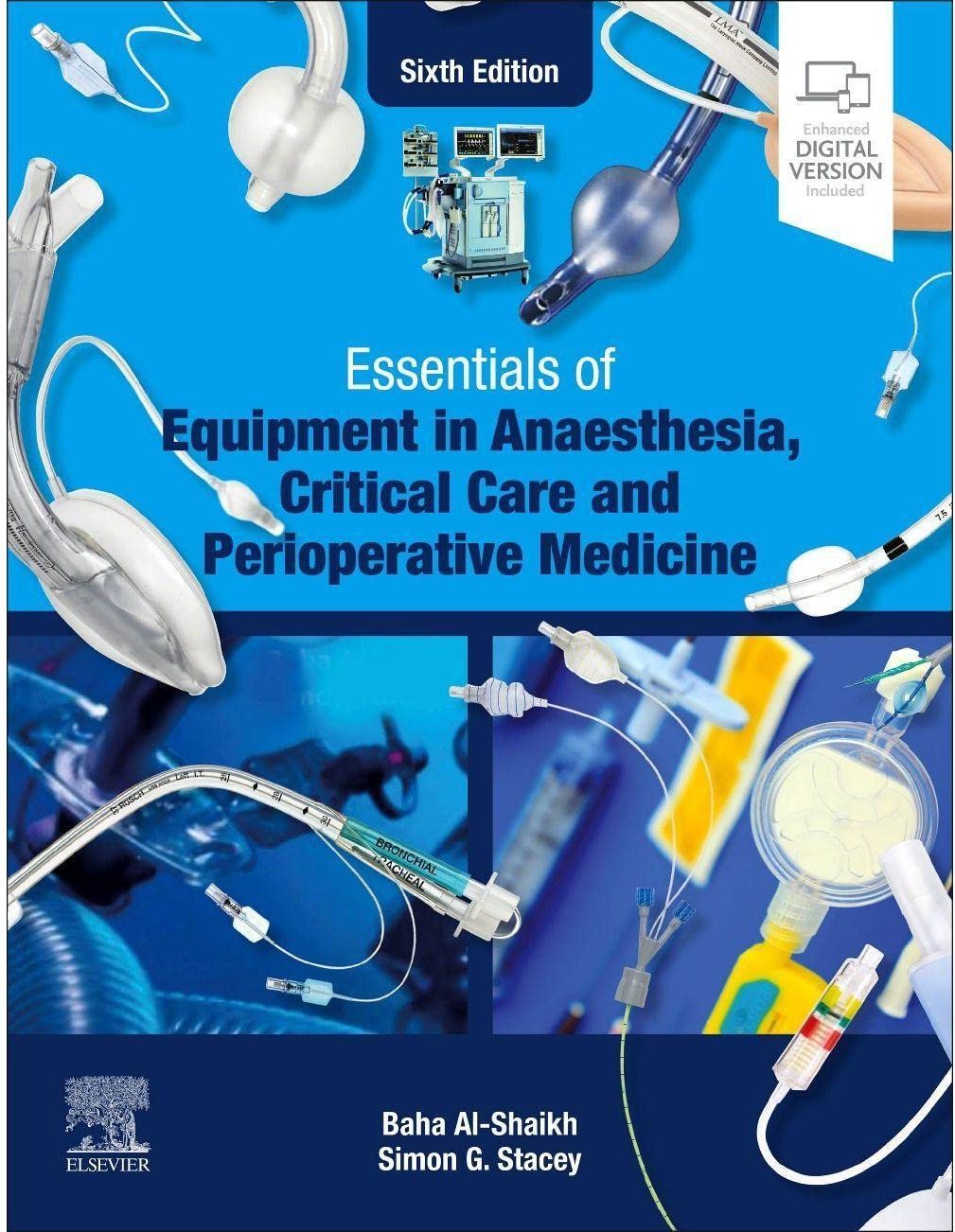
Elsevier Essentials of Equipment in Anaesthesia, Critical Care and Perioperative MedicineEasy to read and follow, Essentials of Equipment in Anaesthesia, Critical Care and Perioperative Medicine makes an otherwise dry subject digestible and easy to learn. This practical textbook comprehensively covers all the equipment used in the operating theatre and intensive care unit, including why it is used and any related safety concerns. It has been fully updated in its sixth edition to include new technologies introduced during the Covid-19 pandemic. This is ideal as the main text for all trainees undertaking the primary FRCA exams and is also suitable anyone who works with anaesthetic equipment, including anaesthetic and intensive care nurses and operating department practitioners. It features concise and consistent text and illustrations, self-assessment features, and exam tips. Portable, concise and simply formatted - a perfect practical companion Clear coloured images and illustrations bring the text to life Follows the Royal College of Anaesthetists postgraduate training and exam syllabus Summary boxes, more than 100 exam style questions, and OSCE stations and exam tips all aid the reader in exam revision Covers new equipment and fully updated relevant to current practice Suggested further reading fully updated New information on: Aladin Cassettes; Glostavent machine; CONTRAfluran system; videolaryngoscopy and high definition camera use in intubation and endoscopy; use of ultrasound in epidural; Penthrox; NRFit devices; Cell saver; ECMO38,99 £*Shipping: 0,00 £Secure redirect to the provider
-
Healfit Counter Respirator Fitness Equipment, Breathing Trainer Mouthpiece, Lung Exercise Tool For Household Health Care Respirator Fitness Equipment, Breathing Trainer Mouthpiece, Lung Exercise Tool For Household Health CareEnhance your fitness and stamina with the Breathing Trainer Exercise Lung Face Mouthpiece Respirator Fitness Equipmentyour compact solution for improving lung performance and endurance. Designed for athletes, fitness enthusiasts, and anyone looking...27,97 $*Shipping: 0,00 $Secure redirect to the provider
-
What does political sustainability mean?
Political sustainability refers to the ability of a political system or government to maintain stability and continuity over time. It involves ensuring that policies and decisions are made with the long-term well-being of society in mind, rather than focusing solely on short-term gains. Political sustainability also involves fostering trust and cooperation among different political actors, as well as promoting transparency and accountability in governance to ensure the system's resilience and effectiveness. **
-
What exactly does sustainability mean?
Sustainability refers to meeting the needs of the present without compromising the ability of future generations to meet their own needs. It involves balancing economic, social, and environmental factors to ensure long-term well-being for both people and the planet. This includes practices that promote resource efficiency, social equity, and environmental protection to create a more resilient and equitable society for all. **
-
What is the sustainability triangle?
The sustainability triangle is a concept that illustrates the interconnected relationship between social, environmental, and economic factors in achieving sustainability. It emphasizes that for a system or activity to be truly sustainable, it must balance and integrate these three dimensions effectively. By considering the social, environmental, and economic impacts of our actions, we can work towards creating a more sustainable future for both current and future generations. **
-
What about sustainability in banks?
Sustainability in banks refers to their commitment to environmental, social, and governance (ESG) principles in their operations and decision-making processes. Banks can promote sustainability by incorporating ESG criteria into their lending and investment practices, supporting green initiatives, and reducing their own carbon footprint. By integrating sustainability into their business models, banks can contribute to a more sustainable and responsible financial system that addresses key global challenges such as climate change and social inequality. Additionally, banks that prioritize sustainability may also benefit from improved risk management, enhanced reputation, and increased customer loyalty. **
* All prices are inclusive of VAT and, if applicable, plus shipping costs. The offer information is based on the details provided by the respective shop and is updated through automated processes. Real-time updates do not occur, so deviations can occur in individual cases. ** Note: Parts of this content were created by AI.