Buy lthorses.eu ?
We are moving the project
lthorses.eu .
Are you interested in purchasing the domain
lthorses.eu ?
domain@kv-gmbh.de · 0541-91531010
Buy lthorses.eu ?
Is trypophobia a disease?
Trypophobia is not officially recognized as a disease by the medical community. It is more accurately described as a specific phobia, which is an intense and irrational fear of a specific object or situation. While trypophobia can cause significant distress and anxiety for those who experience it, it is not classified as a disease. Instead, it is considered a psychological condition that may benefit from therapy or other forms of treatment. **
Does anyone still have trypophobia?
Yes, trypophobia is still a recognized condition that affects some individuals. It is characterized by a fear or aversion to clusters of small holes or bumps. While not officially recognized as a specific phobia in the Diagnostic and Statistical Manual of Mental Disorders (DSM-5), many people still report experiencing symptoms of trypophobia. It is important for those who experience trypophobia to seek support from mental health professionals if it significantly impacts their daily life. **


Similar search terms for Trypophobia
Top-Angebote
Products related to Trypophobia:
-
In2Green Equestrian Riding Motif Stripe Knit ThrowThese blankets wash well, stay soft, and hold up beautifully over time. Our signature knit and woven products are made from fiberized t-shirt clippings salvaged from industrial t-shirt manufacturers.195,00 $*Shipping: 0,00 $Secure redirect to the provider
-
Inspire Essentials Tibialis Trainer Tib Bar Strength Training Calf Raise Equipment Tibialis Trainer Tib Bar Strength Training Calf Raise EquipmentStronger lower legs start with targeted training. This specialized tibialis trainer is designed to help build strength in the oftenneglected tibialis anterior muscle, improving ankle stability, balance, and overall leg performance. Built for serious...128,50 $*Shipping: 0,00 $Secure redirect to the provider
-
StayWell Aluminum Alloy Swinging Rope, Durable Gym Equipment For Strength Training Aluminum Alloy Swinging Rope, Durable Gym Equipment For Strength Training"Elevate Your Strength Training with the Compact Steel Fitness Rope Designed for fitness enthusiasts seeking efficient and spacesaving equipment, this 15.7""inch ropefree training rope is a gamechanger for home and commercial gyms. Key Features:..."56,97 $*Shipping: 0,00 $Secure redirect to the provider



-
"Does trypophobia really affect me?"
If you find that you experience discomfort, anxiety, or distress when exposed to clusters of small holes or bumps, then it is possible that you may be affected by trypophobia. Common triggers for trypophobia include lotus seed pods, honeycombs, and certain types of coral. If you find that these types of images cause a strong emotional or physical reaction, it may be worth seeking support from a mental health professional to better understand and manage your response to trypophobia. **
-
What can be done for Trypophobia?
Treatment for trypophobia typically involves therapy and exposure-based techniques to help individuals manage their fear and anxiety. Cognitive-behavioral therapy (CBT) can be effective in helping individuals change their thought patterns and reactions to trypophobic triggers. Additionally, relaxation techniques and mindfulness practices may also be helpful in reducing anxiety and distress related to trypophobia. It's important for individuals with trypophobia to seek support from a mental health professional to develop a personalized treatment plan that addresses their specific needs and symptoms. **
-
What can I do about my trypophobia?
If you are experiencing trypophobia, it is important to seek support from a mental health professional, such as a therapist or counselor. They can help you understand your triggers and develop coping strategies to manage your symptoms. Additionally, practicing relaxation techniques, such as deep breathing or mindfulness, may help reduce anxiety related to trypophobia. It can also be helpful to avoid triggering images or situations as much as possible. **
-
How can one get rid of trypophobia?
There is no specific cure for trypophobia, as it is not officially recognized as a mental health condition. However, some people find relief through exposure therapy, where they gradually expose themselves to triggering images in a controlled environment to reduce their fear response. Cognitive-behavioral therapy (CBT) can also be helpful in managing the anxiety and distress associated with trypophobia. It's important to seek professional help from a therapist or mental health professional to develop a personalized treatment plan. **

What is trypophobia and what happens to the body?
Trypophobia is a fear or aversion to clusters of small holes or bumps. When someone with trypophobia sees these patterns, they may experience symptoms such as disgust, anxiety, or even panic attacks. These reactions are thought to be triggered by the brain associating the patterns with potential harm or danger, even though there is no actual threat present. **
Why do people have holes in their skin with trypophobia?
Trypophobia is not a recognized phobia in the field of psychology, but some people report feeling discomfort or anxiety when looking at clustered holes or bumps. The reason for this reaction is not fully understood, but some theories suggest that it may be related to an evolutionary response to potential sources of danger, such as skin infections or parasites. The patterns of holes may trigger a subconscious aversion in some individuals, leading to feelings of unease or disgust. **
Top-Angebote
Products related to Trypophobia:
-
In2Green Equestrian Riding Gear Brown Knit ThrowFor those who appreciate timeless style and a love of the ride, our Equestrian Tack throw features an elegant pattern of bridles and bits in soft, tones that add warmth and sophistication to any space.194,99 $*Shipping: 0,00 $Secure redirect to the provider
-
In2Green Equestrian Riding Motif Stripe Knit ThrowThese blankets wash well, stay soft, and hold up beautifully over time. Our signature knit and woven products are made from fiberized t-shirt clippings salvaged from industrial t-shirt manufacturers.195,00 $*Shipping: 0,00 $Secure redirect to the provider
-
Inspire Essentials Tibialis Trainer Tib Bar Strength Training Calf Raise Equipment Tibialis Trainer Tib Bar Strength Training Calf Raise EquipmentStronger lower legs start with targeted training. This specialized tibialis trainer is designed to help build strength in the oftenneglected tibialis anterior muscle, improving ankle stability, balance, and overall leg performance. Built for serious...128,50 $*Shipping: 0,00 $Secure redirect to the provider
-
Is trypophobia a disease?
Trypophobia is not officially recognized as a disease by the medical community. It is more accurately described as a specific phobia, which is an intense and irrational fear of a specific object or situation. While trypophobia can cause significant distress and anxiety for those who experience it, it is not classified as a disease. Instead, it is considered a psychological condition that may benefit from therapy or other forms of treatment. **
-
Does anyone still have trypophobia?
Yes, trypophobia is still a recognized condition that affects some individuals. It is characterized by a fear or aversion to clusters of small holes or bumps. While not officially recognized as a specific phobia in the Diagnostic and Statistical Manual of Mental Disorders (DSM-5), many people still report experiencing symptoms of trypophobia. It is important for those who experience trypophobia to seek support from mental health professionals if it significantly impacts their daily life. **
-
"Does trypophobia really affect me?"
If you find that you experience discomfort, anxiety, or distress when exposed to clusters of small holes or bumps, then it is possible that you may be affected by trypophobia. Common triggers for trypophobia include lotus seed pods, honeycombs, and certain types of coral. If you find that these types of images cause a strong emotional or physical reaction, it may be worth seeking support from a mental health professional to better understand and manage your response to trypophobia. **
-
What can be done for Trypophobia?
Treatment for trypophobia typically involves therapy and exposure-based techniques to help individuals manage their fear and anxiety. Cognitive-behavioral therapy (CBT) can be effective in helping individuals change their thought patterns and reactions to trypophobic triggers. Additionally, relaxation techniques and mindfulness practices may also be helpful in reducing anxiety and distress related to trypophobia. It's important for individuals with trypophobia to seek support from a mental health professional to develop a personalized treatment plan that addresses their specific needs and symptoms. **
Similar search terms for Trypophobia
-
StayWell Aluminum Alloy Swinging Rope, Durable Gym Equipment For Strength Training Aluminum Alloy Swinging Rope, Durable Gym Equipment For Strength Training"Elevate Your Strength Training with the Compact Steel Fitness Rope Designed for fitness enthusiasts seeking efficient and spacesaving equipment, this 15.7""inch ropefree training rope is a gamechanger for home and commercial gyms. Key Features:..."56,97 $*Shipping: 0,00 $Secure redirect to the provider
-
Elsevier Essentials of Equipment in Anaesthesia, Critical Care and Perioperative MedicineEasy to read and follow, Essentials of Equipment in Anaesthesia, Critical Care and Perioperative Medicine makes an otherwise dry subject digestible and easy to learn. This practical textbook comprehensively covers all the equipment used in the operating theatre and intensive care unit, including why it is used and any related safety concerns. It has been fully updated in its sixth edition to include new technologies introduced during the Covid-19 pandemic. This is ideal as the main text for all trainees undertaking the primary FRCA exams and is also suitable anyone who works with anaesthetic equipment, including anaesthetic and intensive care nurses and operating department practitioners. It features concise and consistent text and illustrations, self-assessment features, and exam tips. Portable, concise and simply formatted - a perfect practical companion Clear coloured images and illustrations bring the text to life Follows the Royal College of Anaesthetists postgraduate training and exam syllabus Summary boxes, more than 100 exam style questions, and OSCE stations and exam tips all aid the reader in exam revision Covers new equipment and fully updated relevant to current practice Suggested further reading fully updated New information on: Aladin Cassettes; Glostavent machine; CONTRAfluran system; videolaryngoscopy and high definition camera use in intubation and endoscopy; use of ultrasound in epidural; Penthrox; NRFit devices; Cell saver; ECMO38,99 £*Shipping: 0,00 £Secure redirect to the provider
-
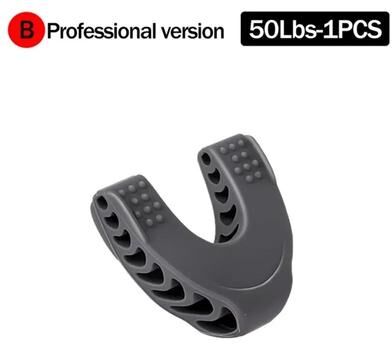
Uplifted Finds U Shape Facial Jawline Exerciser Training Equipment greyDefine and strengthen your facial profile with the Facial Pop N Go Jaw Exerciser, a specialized fitness tool designed to act as an efficient tool for jawline sculpting and facial muscle toning. Specifically engineered with a Ushaped ergonomic...55,97 $*Shipping: 0,00 $Secure redirect to the provider
-
What can I do about my trypophobia?
If you are experiencing trypophobia, it is important to seek support from a mental health professional, such as a therapist or counselor. They can help you understand your triggers and develop coping strategies to manage your symptoms. Additionally, practicing relaxation techniques, such as deep breathing or mindfulness, may help reduce anxiety related to trypophobia. It can also be helpful to avoid triggering images or situations as much as possible. **
-
How can one get rid of trypophobia?
There is no specific cure for trypophobia, as it is not officially recognized as a mental health condition. However, some people find relief through exposure therapy, where they gradually expose themselves to triggering images in a controlled environment to reduce their fear response. Cognitive-behavioral therapy (CBT) can also be helpful in managing the anxiety and distress associated with trypophobia. It's important to seek professional help from a therapist or mental health professional to develop a personalized treatment plan. **
-
What is trypophobia and what happens to the body?
Trypophobia is a fear or aversion to clusters of small holes or bumps. When someone with trypophobia sees these patterns, they may experience symptoms such as disgust, anxiety, or even panic attacks. These reactions are thought to be triggered by the brain associating the patterns with potential harm or danger, even though there is no actual threat present. **
-
Why do people have holes in their skin with trypophobia?
Trypophobia is not a recognized phobia in the field of psychology, but some people report feeling discomfort or anxiety when looking at clustered holes or bumps. The reason for this reaction is not fully understood, but some theories suggest that it may be related to an evolutionary response to potential sources of danger, such as skin infections or parasites. The patterns of holes may trigger a subconscious aversion in some individuals, leading to feelings of unease or disgust. **
* All prices are inclusive of VAT and, if applicable, plus shipping costs. The offer information is based on the details provided by the respective shop and is updated through automated processes. Real-time updates do not occur, so deviations can occur in individual cases. ** Note: Parts of this content were created by AI.